 The Lemon Index
Find a car for your budget.
The 5 best used picks in every price range.
Best used cars under $5,000 (private seller price)
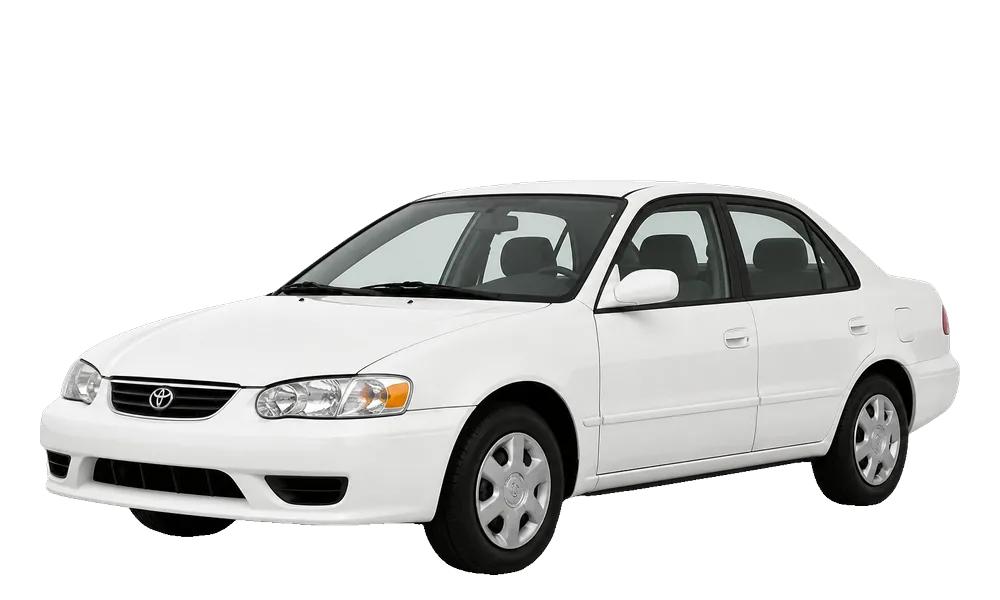
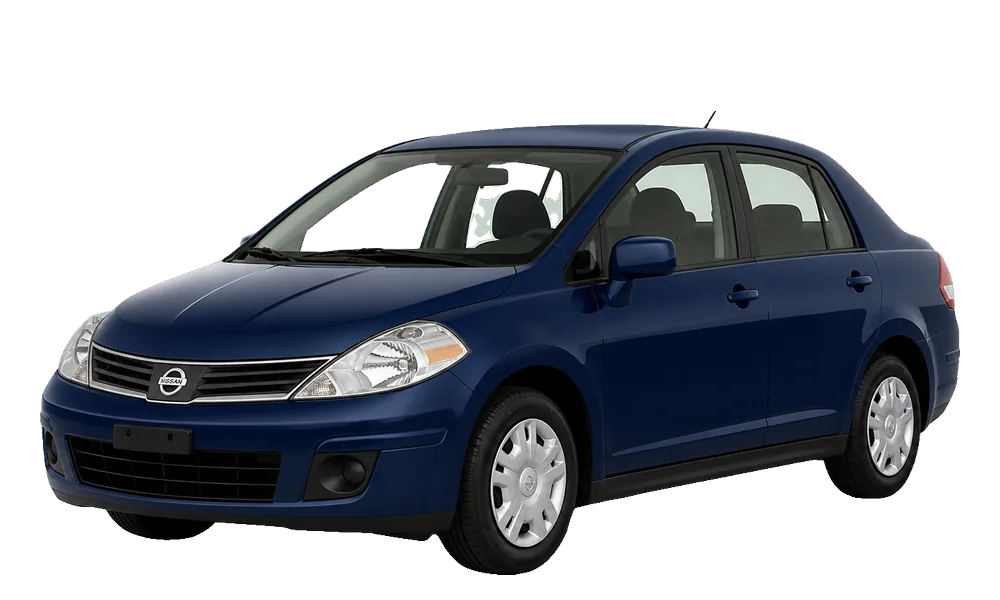
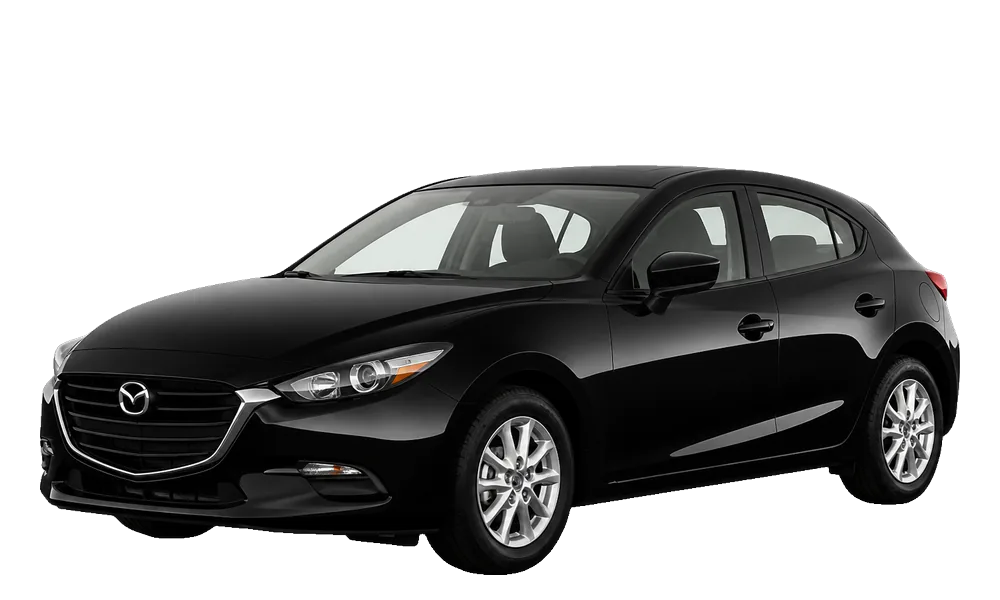
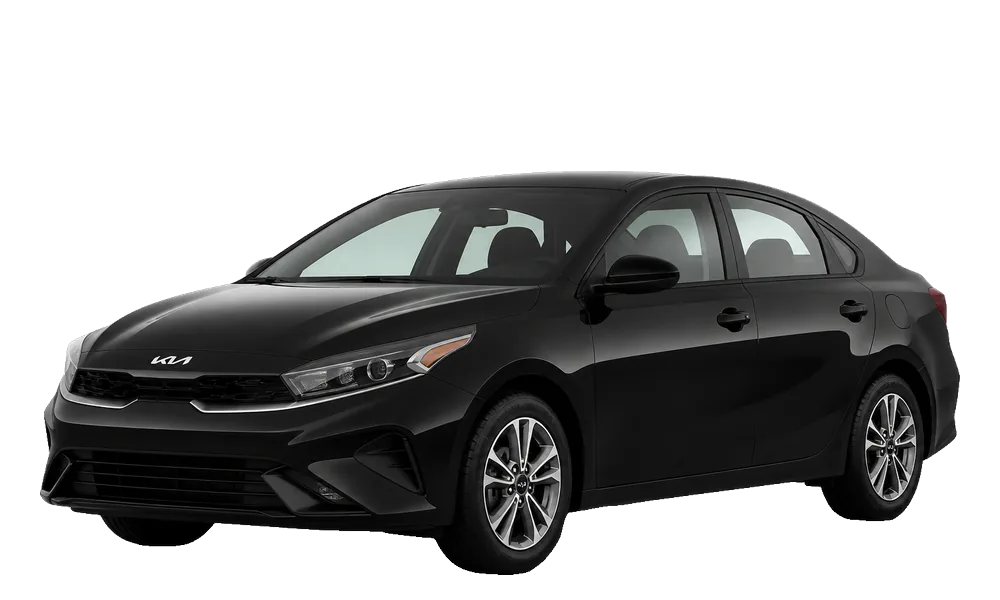
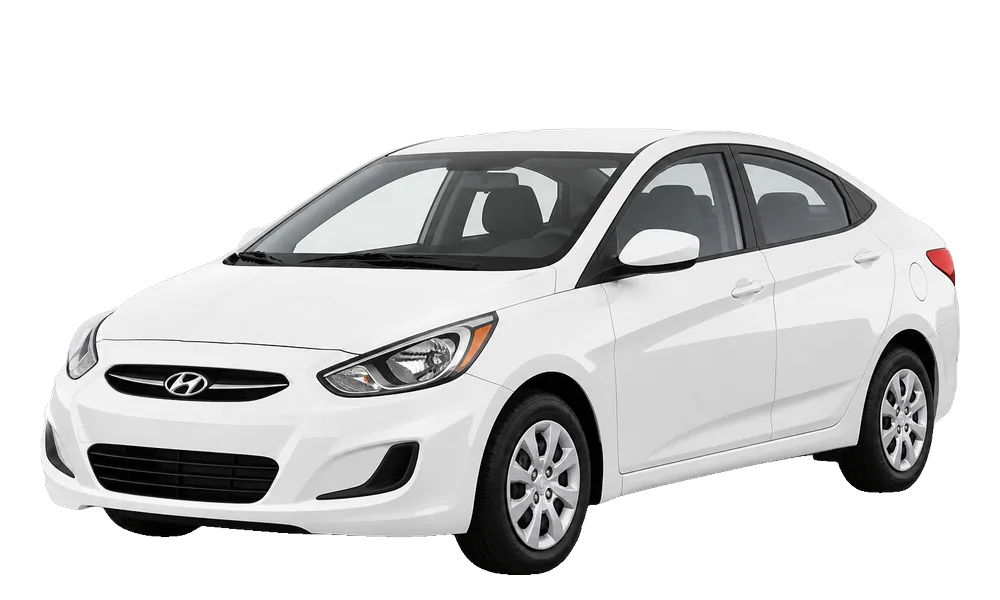
Best used cars under $5,000 (dealer price)

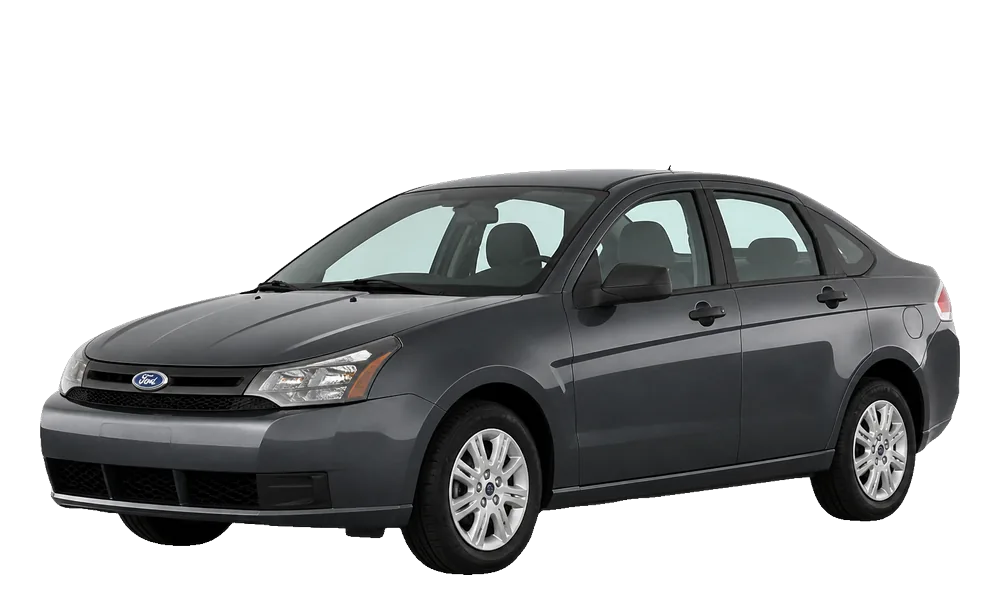
Best used cars for $5,000–$10,000 (private seller price)
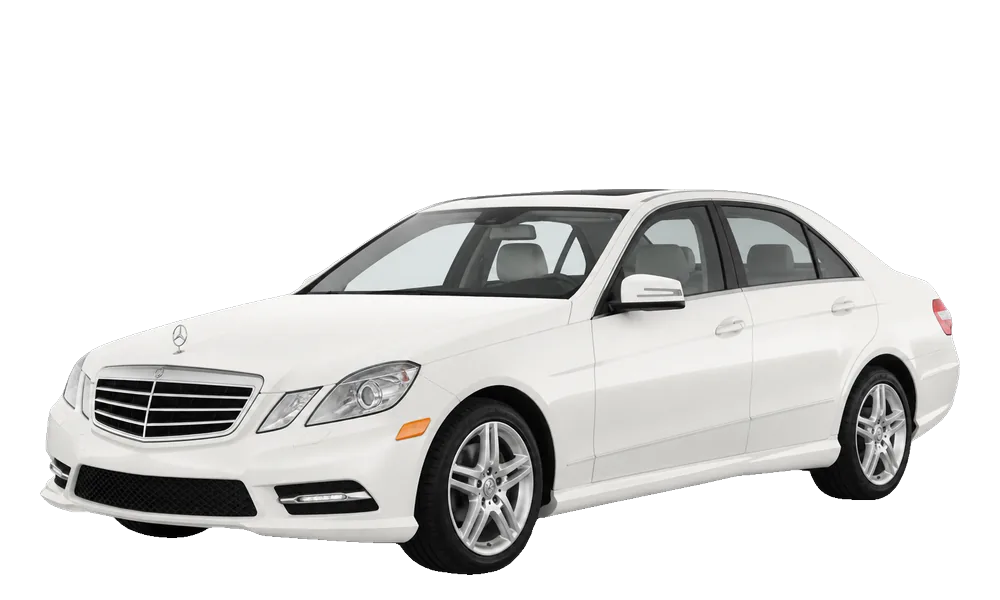
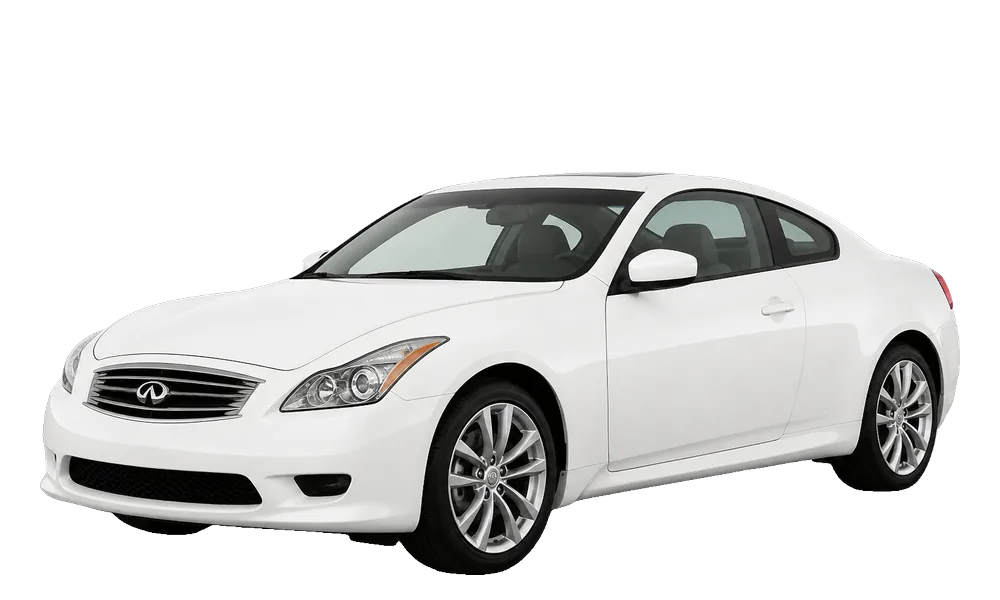
Best used cars for $5,000–$10,000 (dealer price)
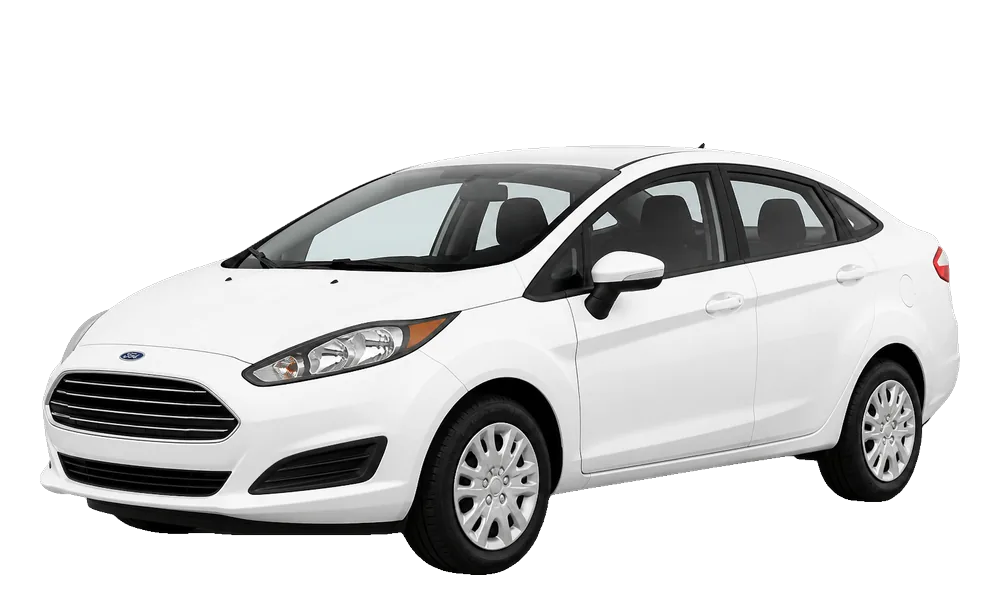
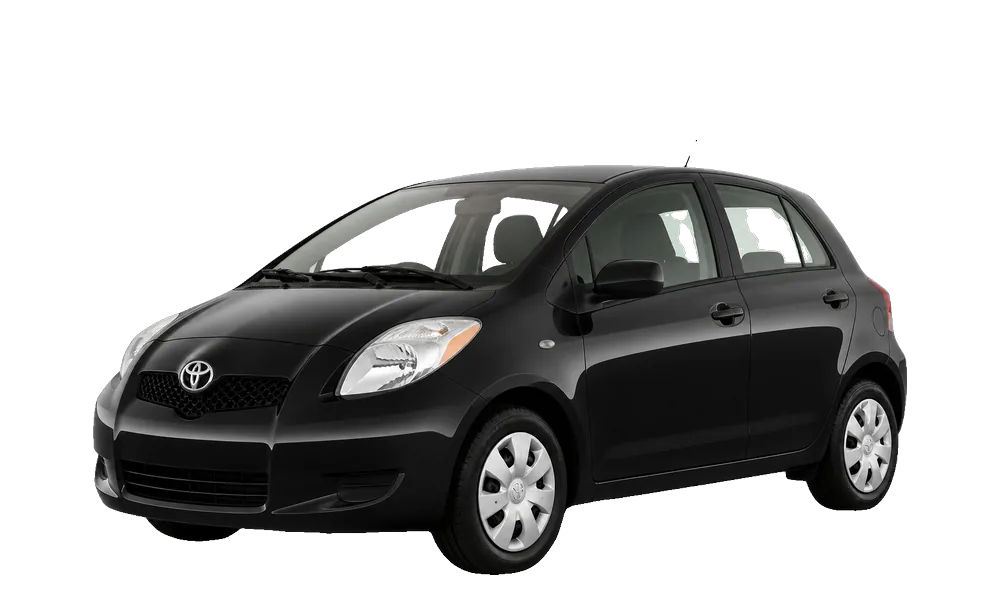
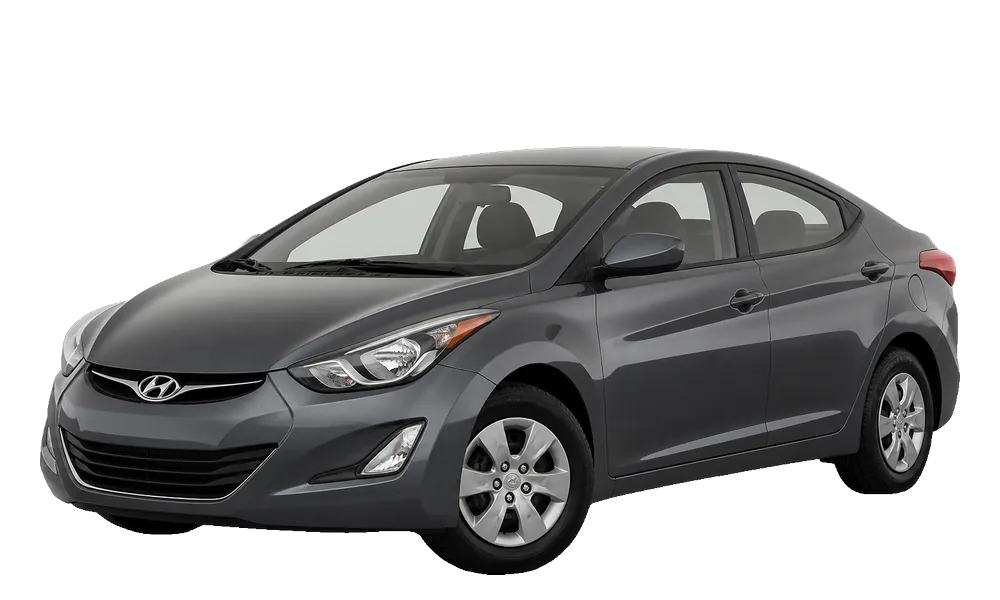
Best used cars for $10,000–$20,000 (private seller price)
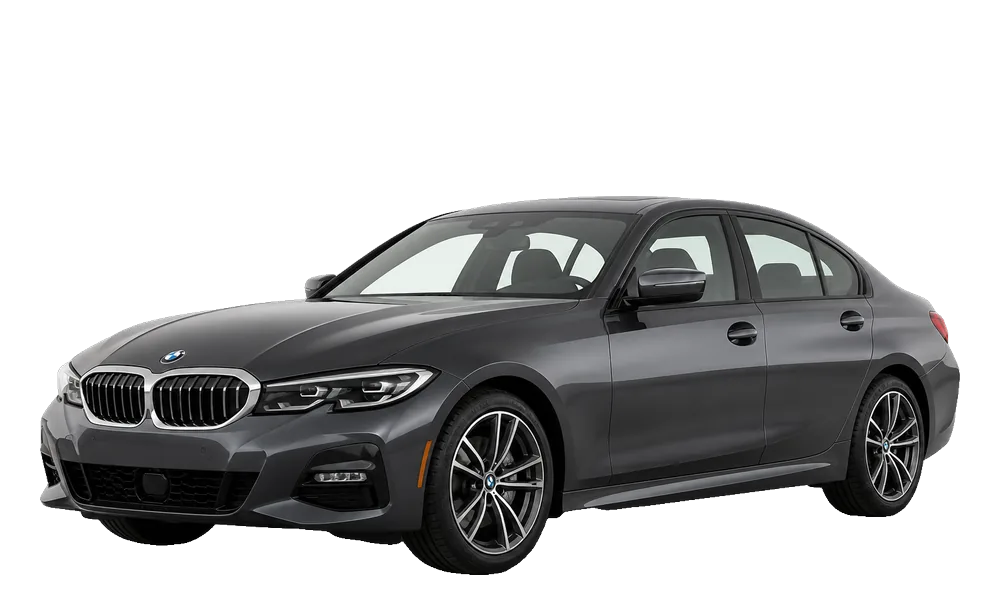
Best used cars for $10,000–$20,000 (dealer price)
Best used cars over $20,000 (private seller price)
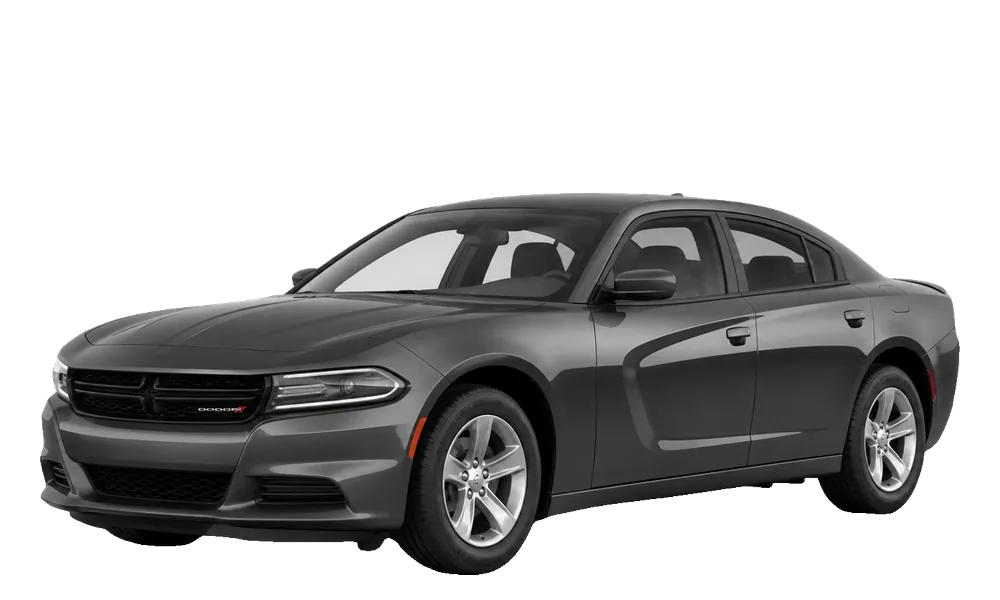
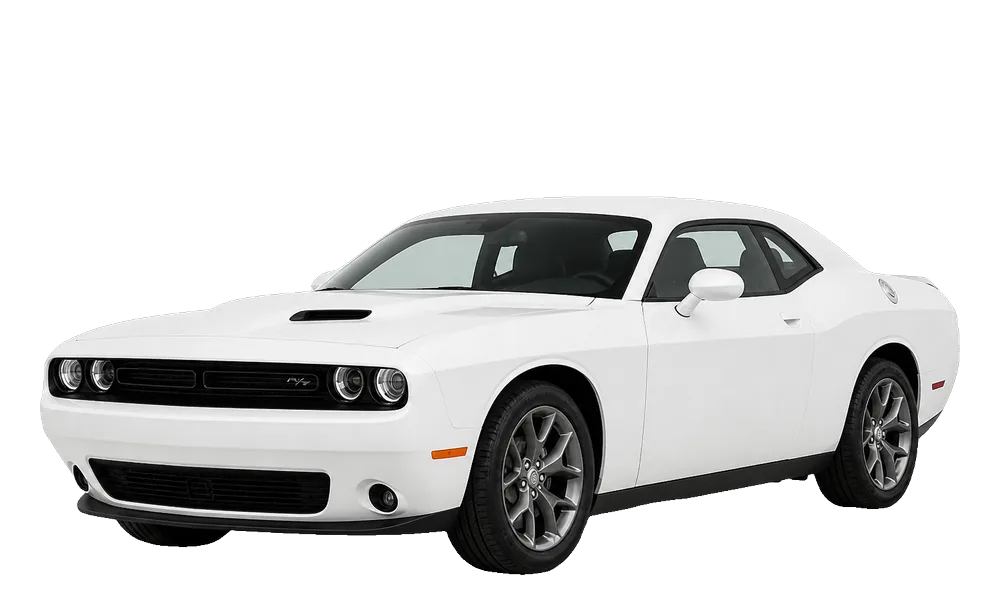
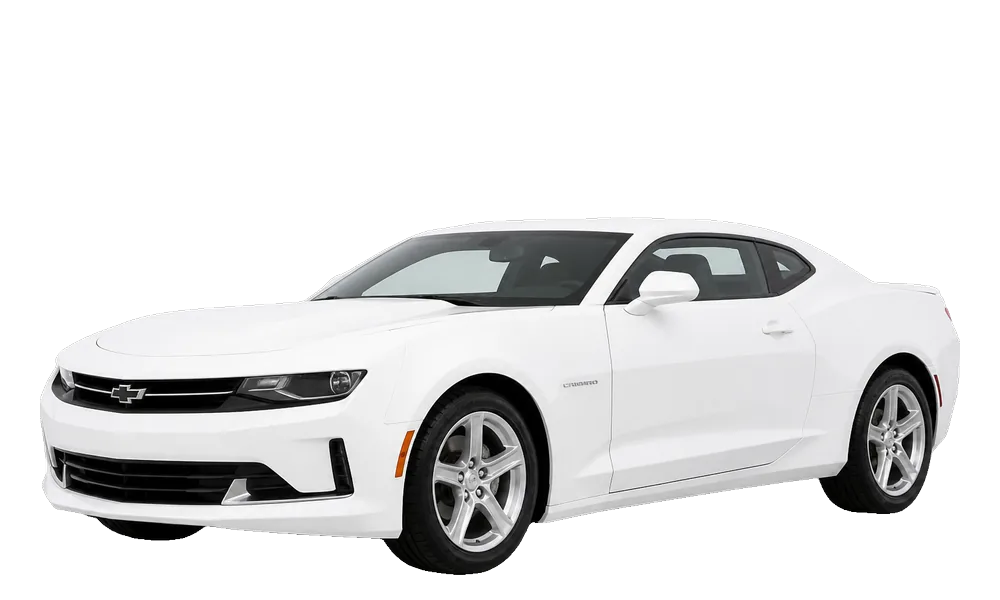
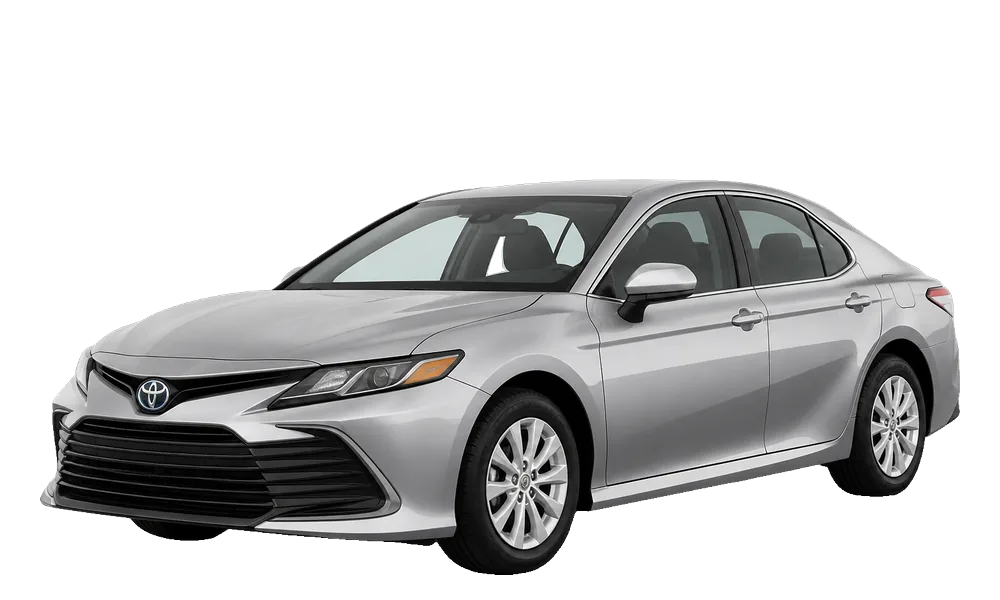
Best used cars over $20,000 (dealer price)
Best used SUVs under $5,000 (private seller price)
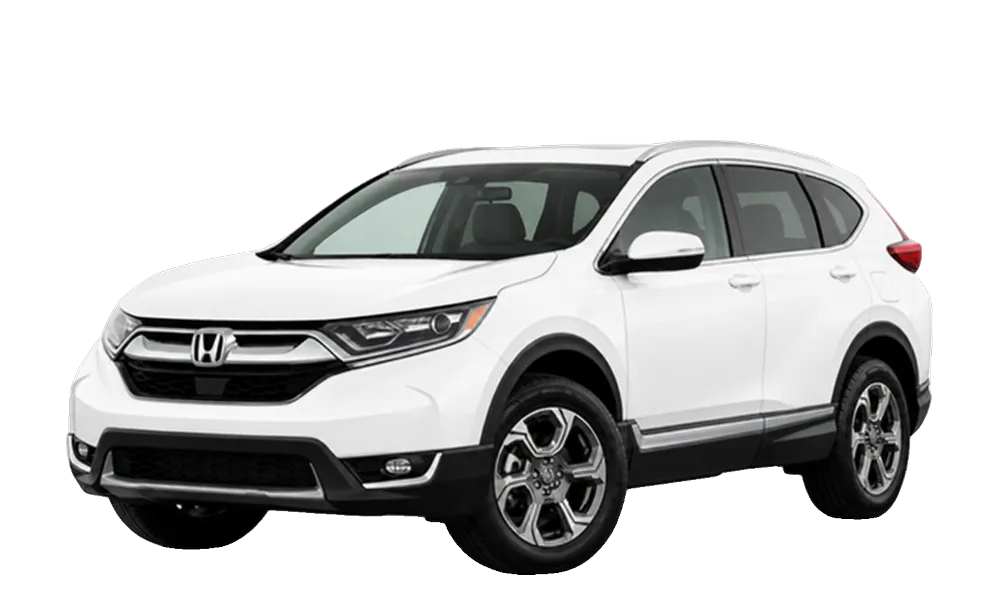
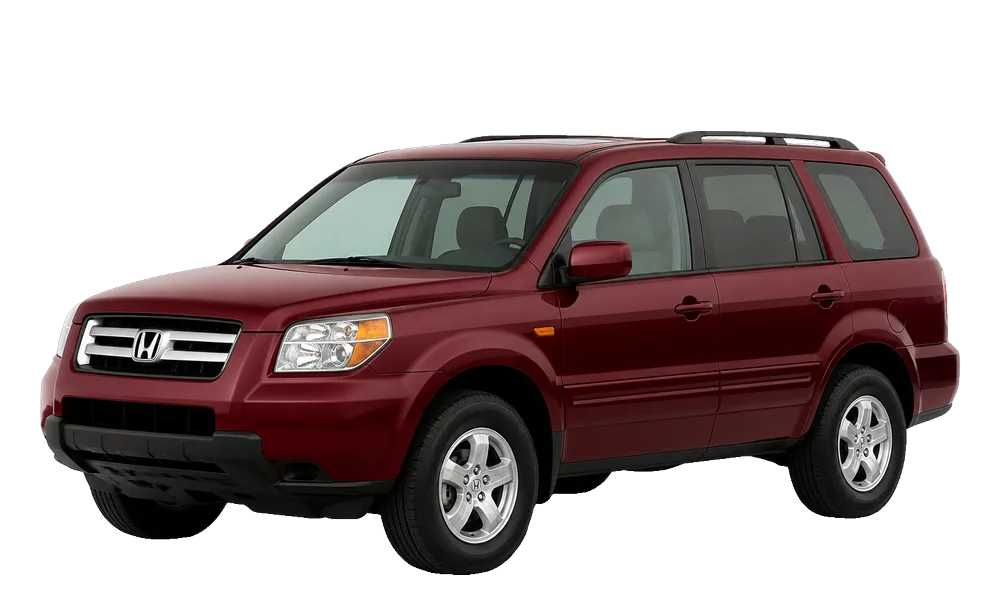
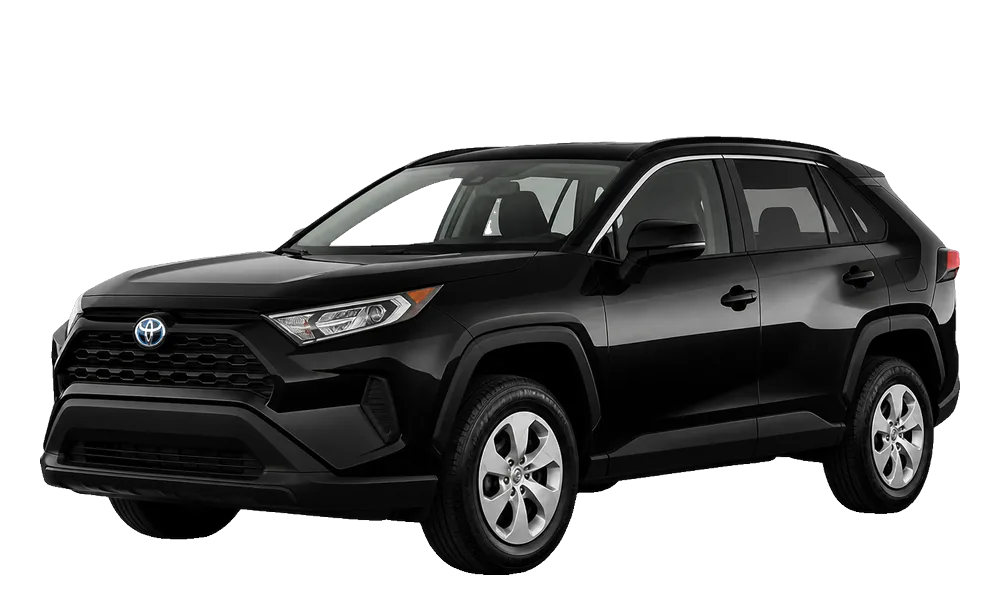
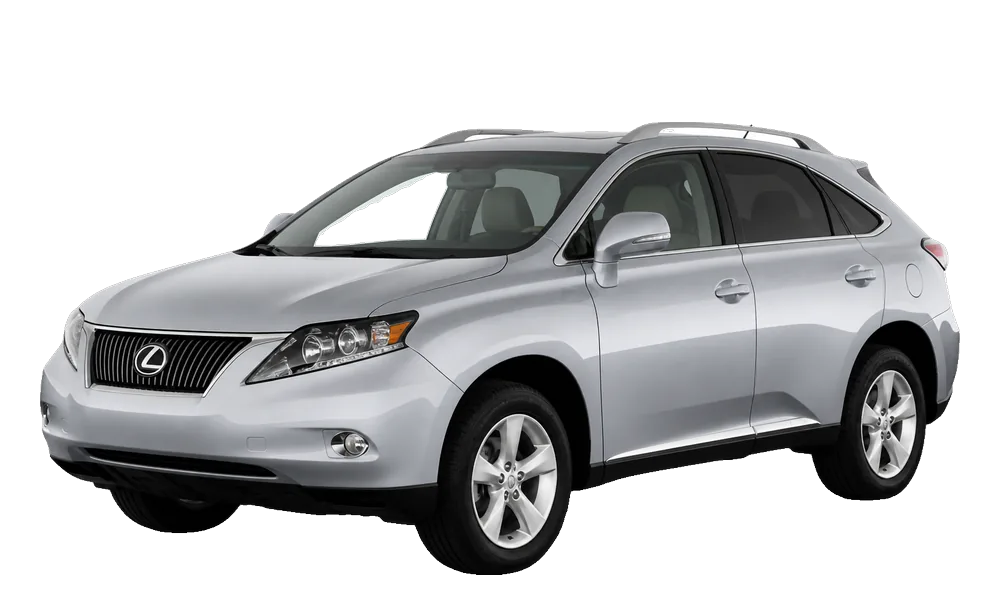
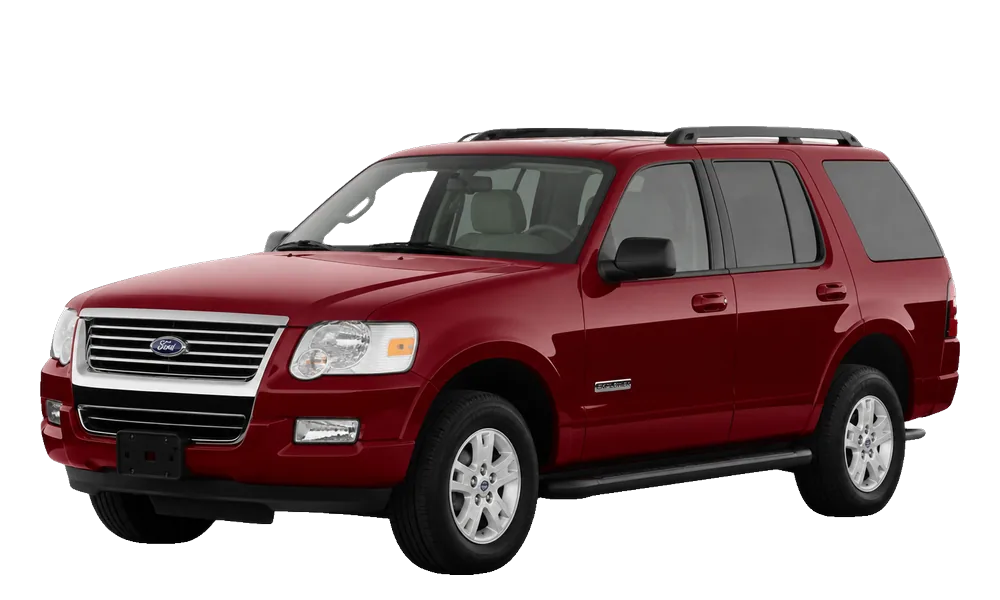
Best used SUVs under $5,000 (dealer price)
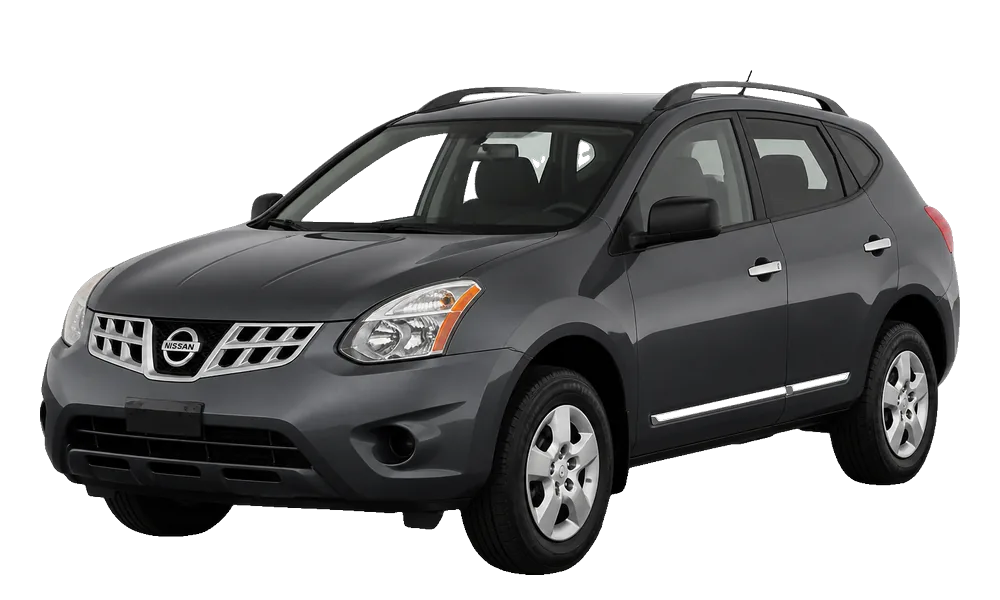
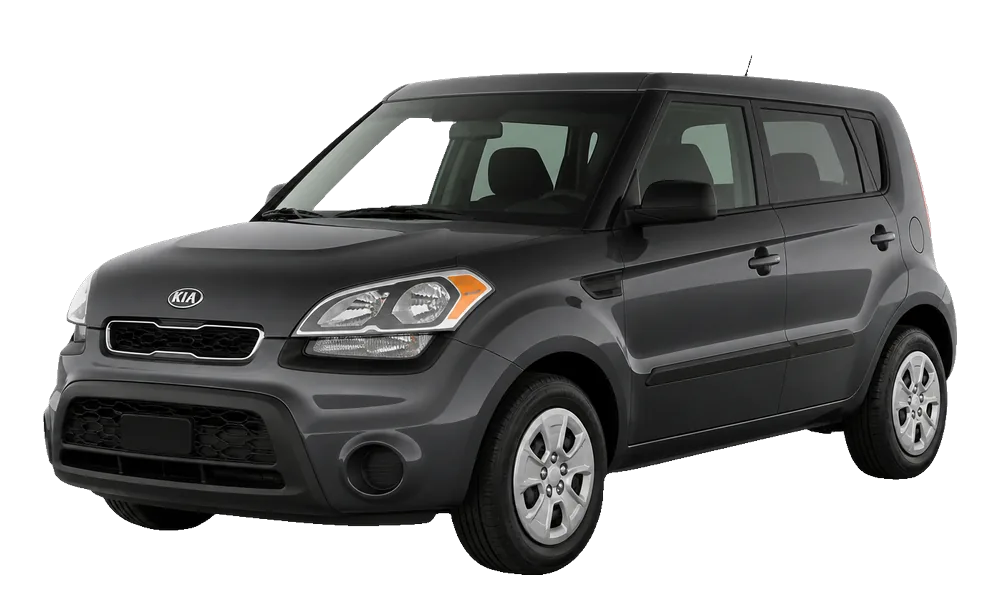
Best used SUVs for $5,000–$10,000 (private seller price)
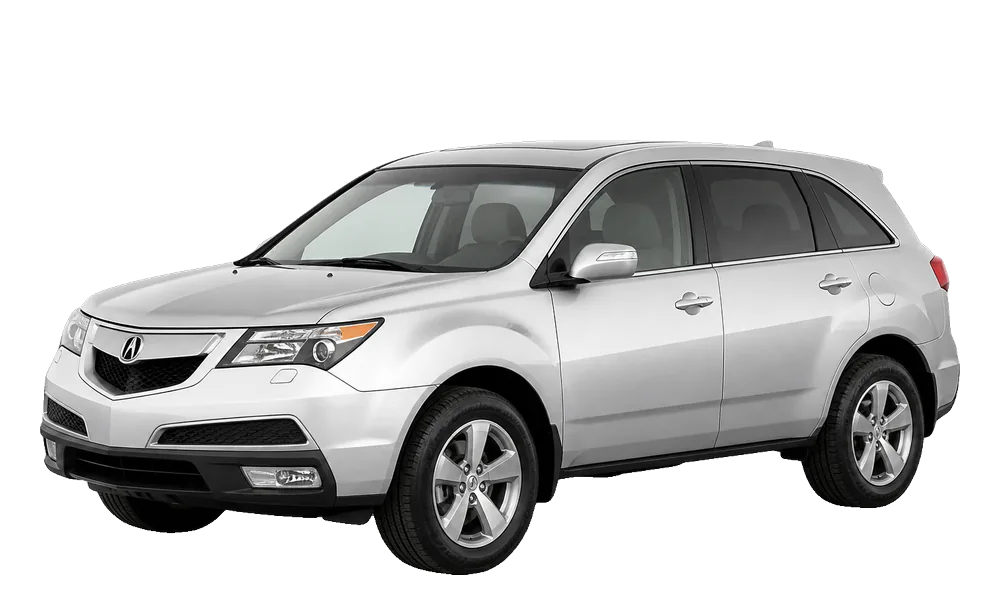
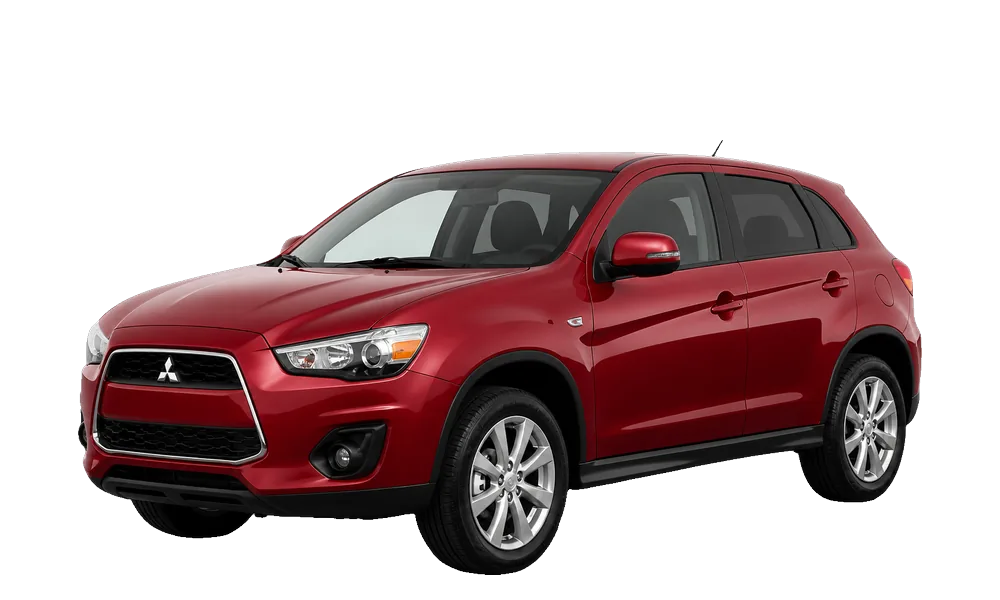
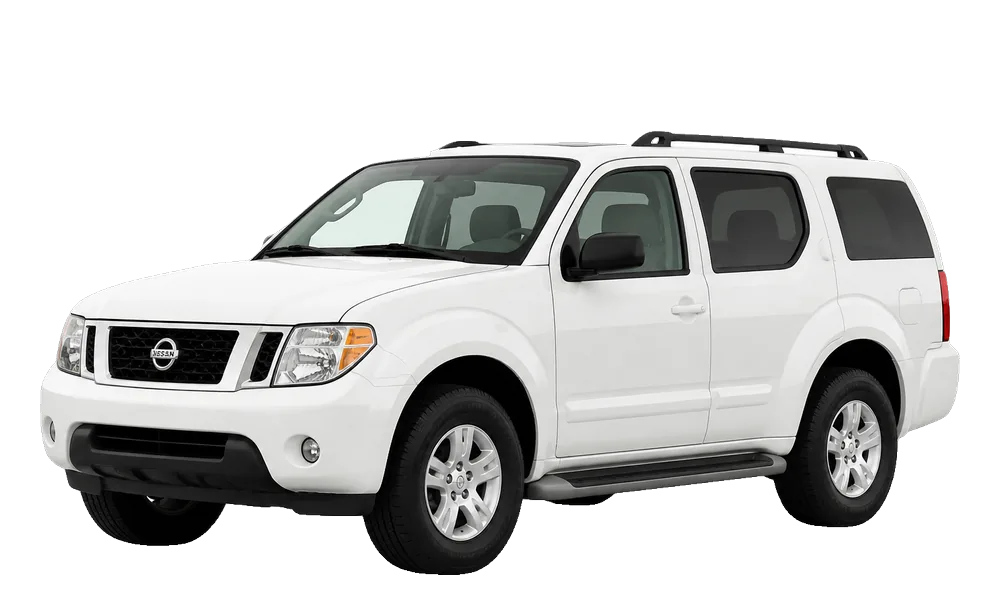
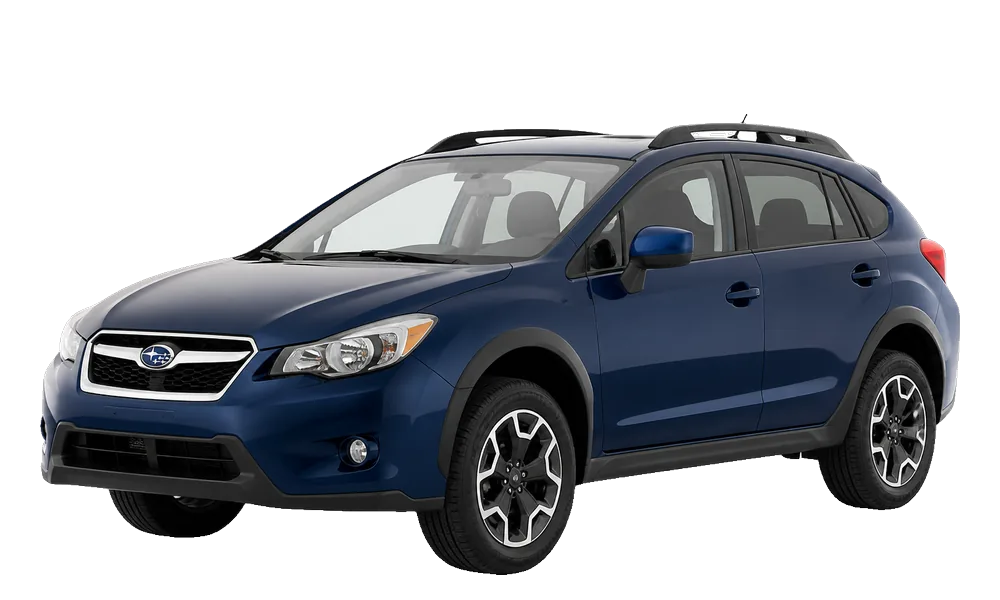
Best used SUVs for $5,000–$10,000 (dealer price)
Best used SUVs for $10,000–$20,000 (private seller price)
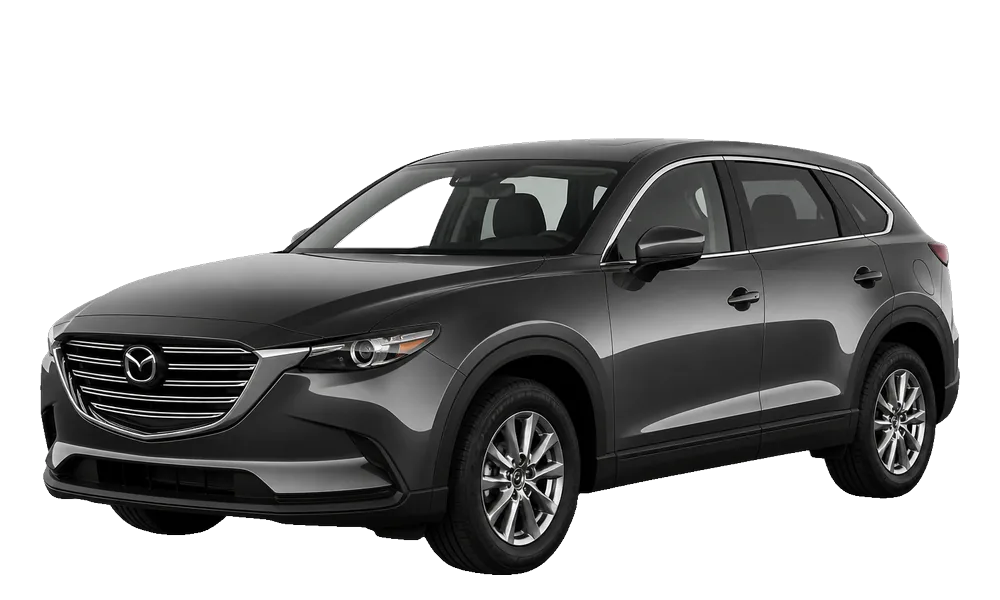
Best used SUVs for $10,000–$20,000 (dealer price)

Best used SUVs over $20,000 (private seller price)

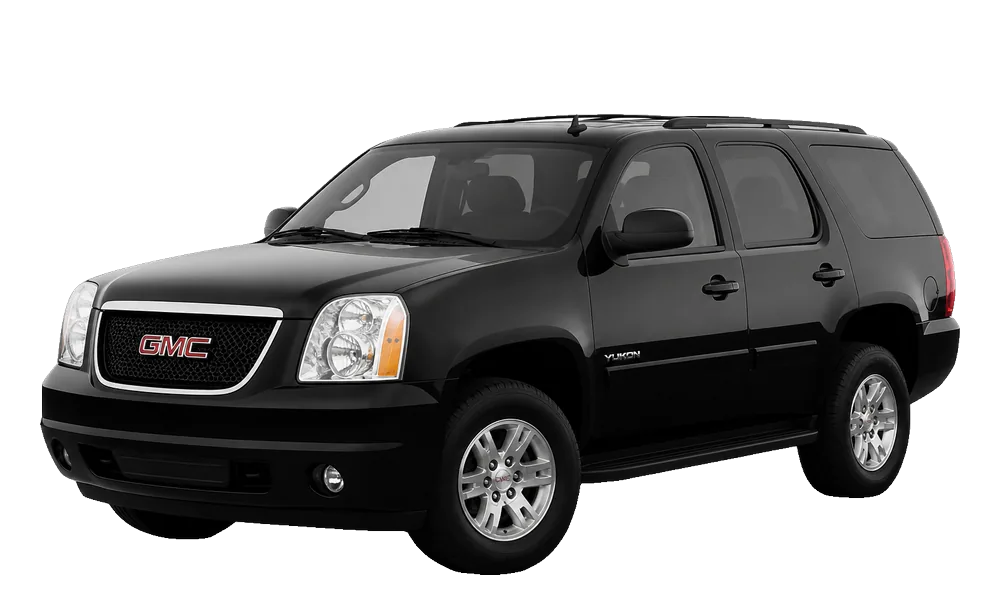
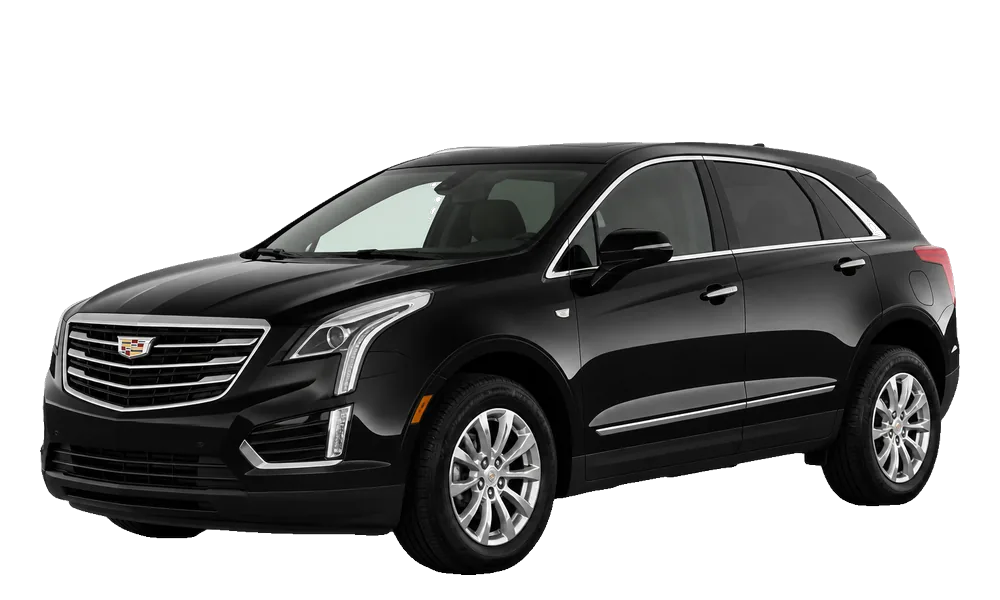
Best used SUVs over $20,000 (dealer price)
Best used trucks under $5,000 (private seller price)
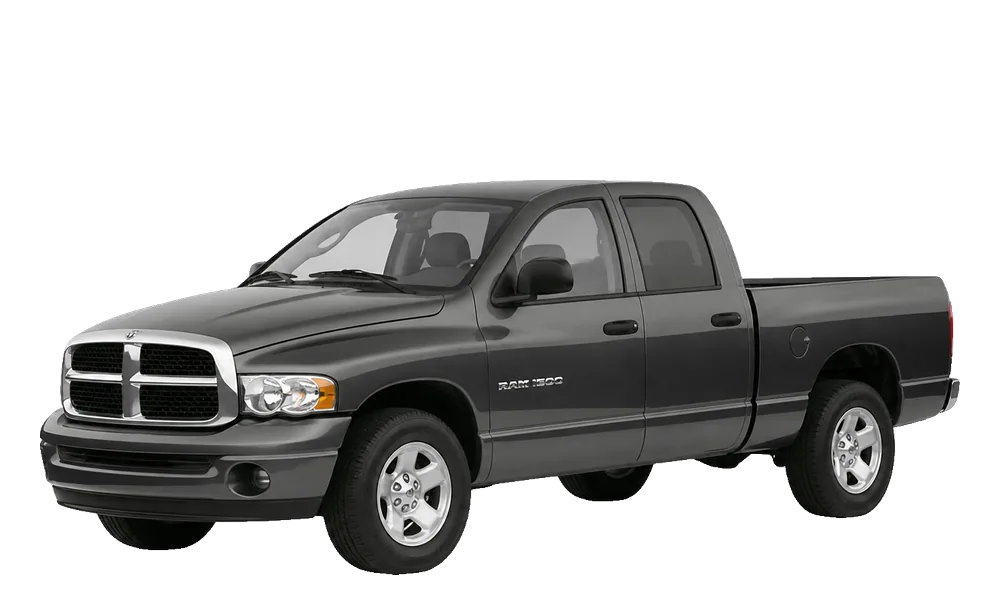 2000 Ram pickup$3,500–5,50050
 2001–2003 Chevrolet S-10$3,500–5,00077
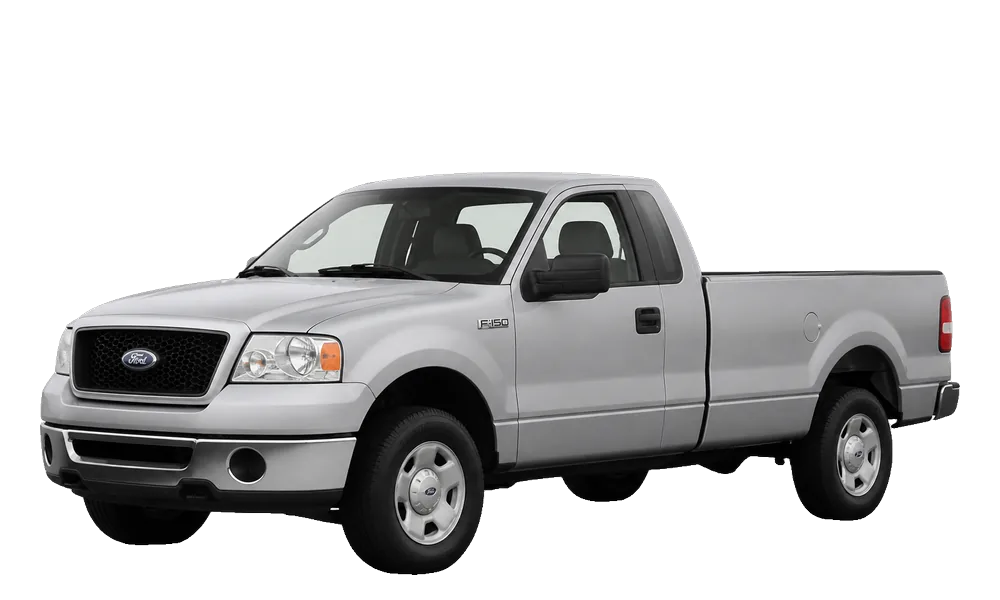 2000 Ford F-Series$4,250–5,25094
 2004 Dodge Dakota$4,250–5,50098
Only 4 picks score well at this price. Prices are AI estimates, not listings.
Best used trucks under $5,000 (dealer price)
Only 1 pick scores well at this price. Prices are AI estimates, not listings.
Best used trucks for $5,000–$10,000 (private seller price)
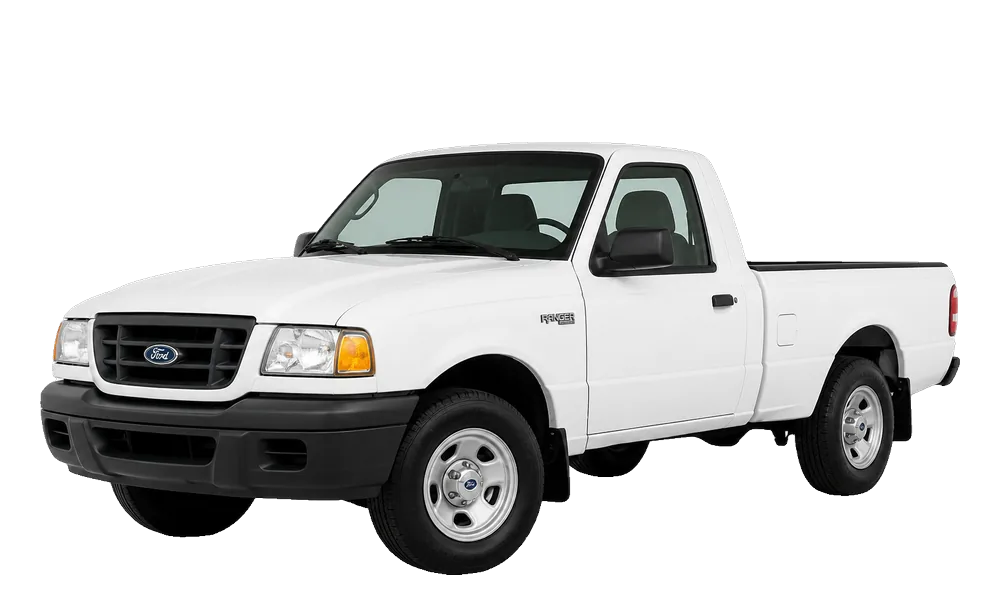
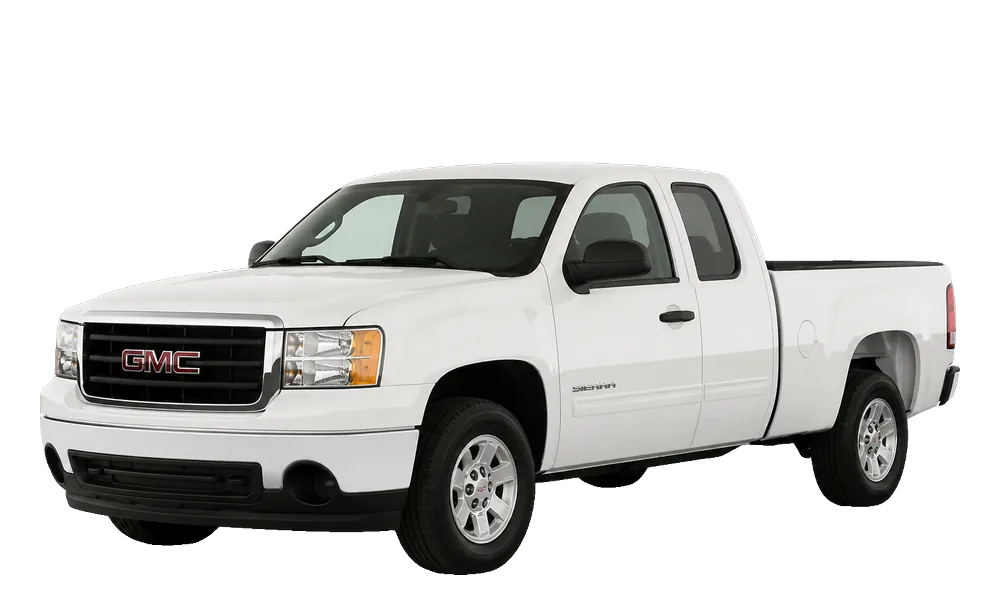
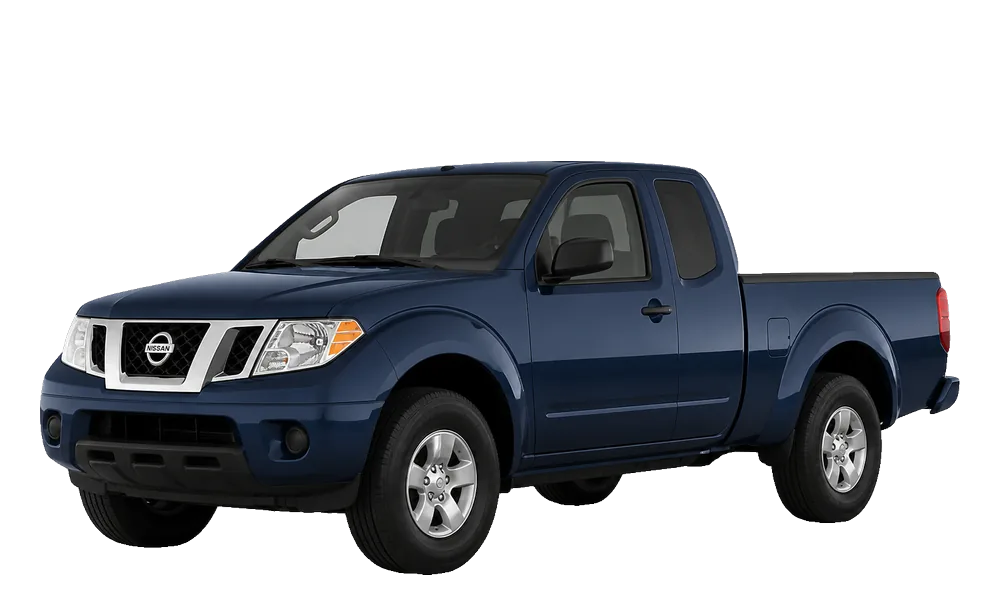
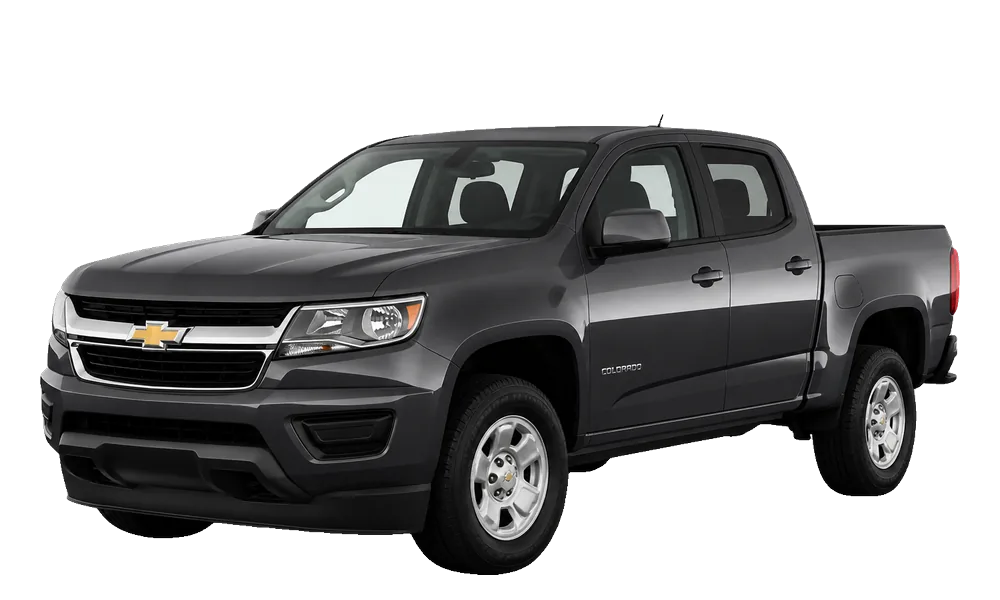
Best used trucks for $5,000–$10,000 (dealer price)
Best used trucks for $10,000–$20,000 (private seller price)
Best used trucks for $10,000–$20,000 (dealer price)
Best used trucks over $20,000 (private seller price)
Best used trucks over $20,000 (dealer price)
Best used minivans under $5,000 (private seller price)
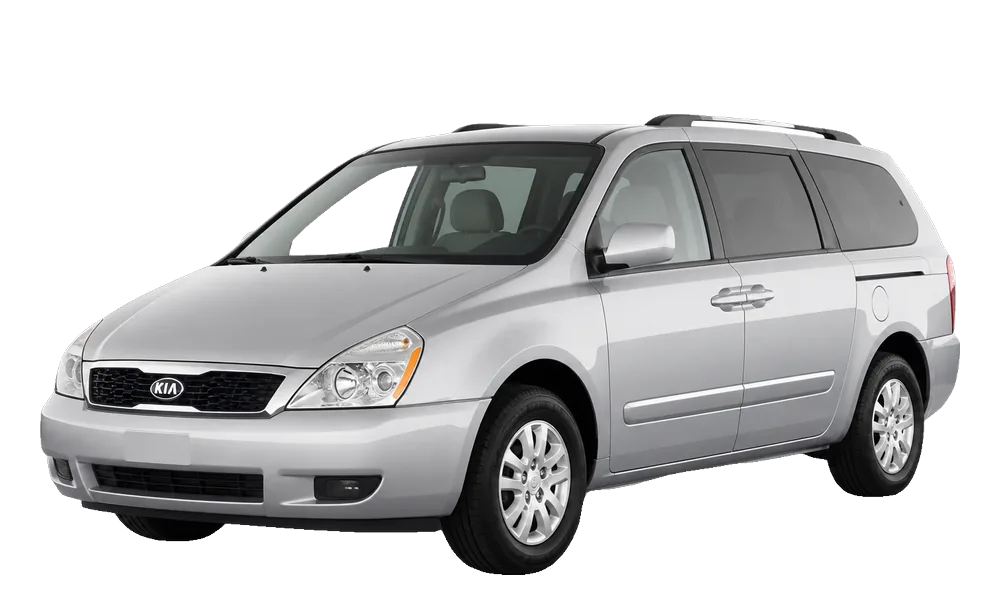
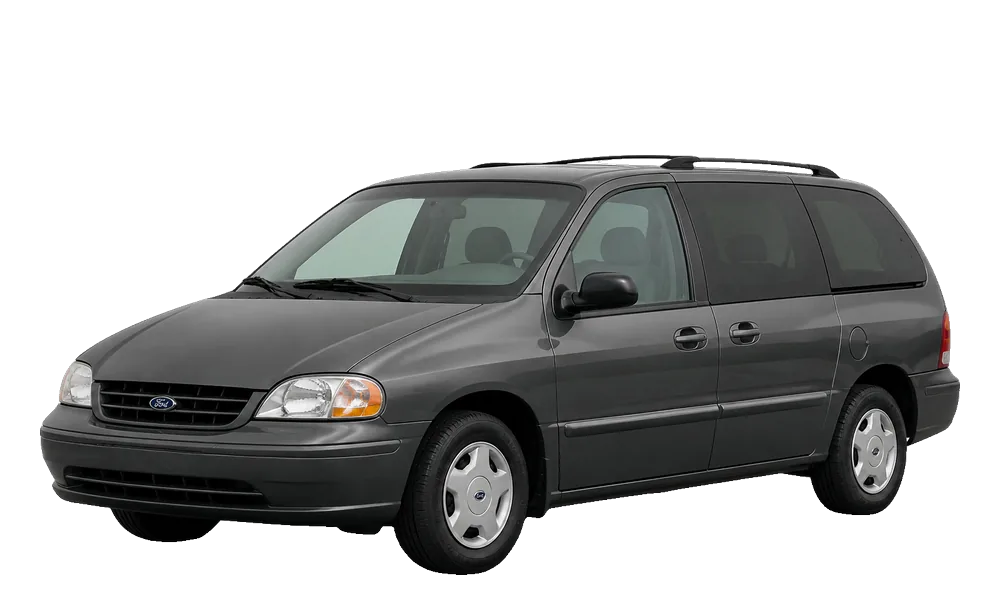

Best used minivans under $5,000 (dealer price)
Best used minivans for $5,000–$10,000 (private seller price)
 2012–2013 Toyota Sienna$7,750–11,00036
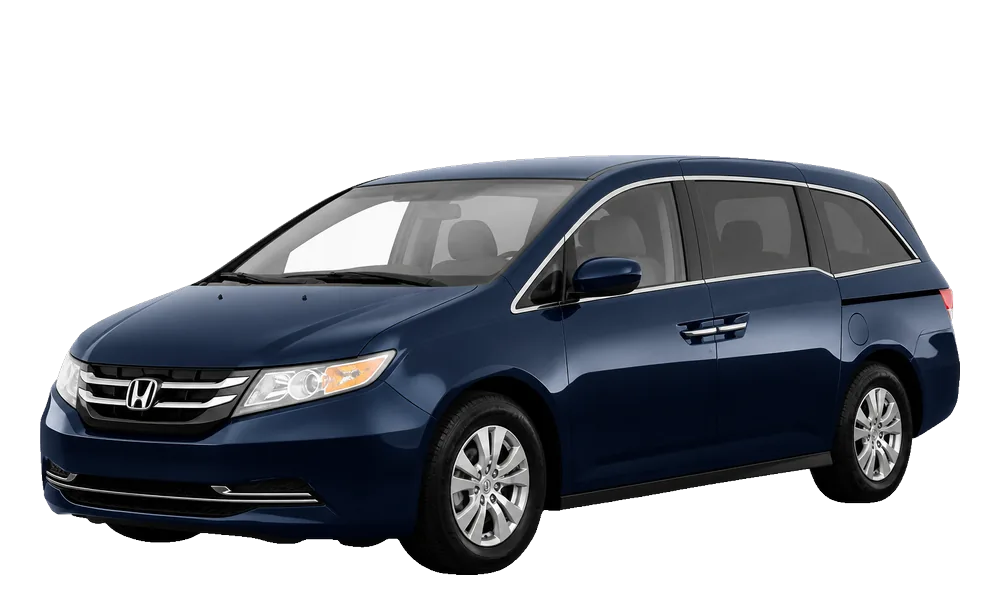 2011–2013 Honda Odyssey$5,250–8,50070
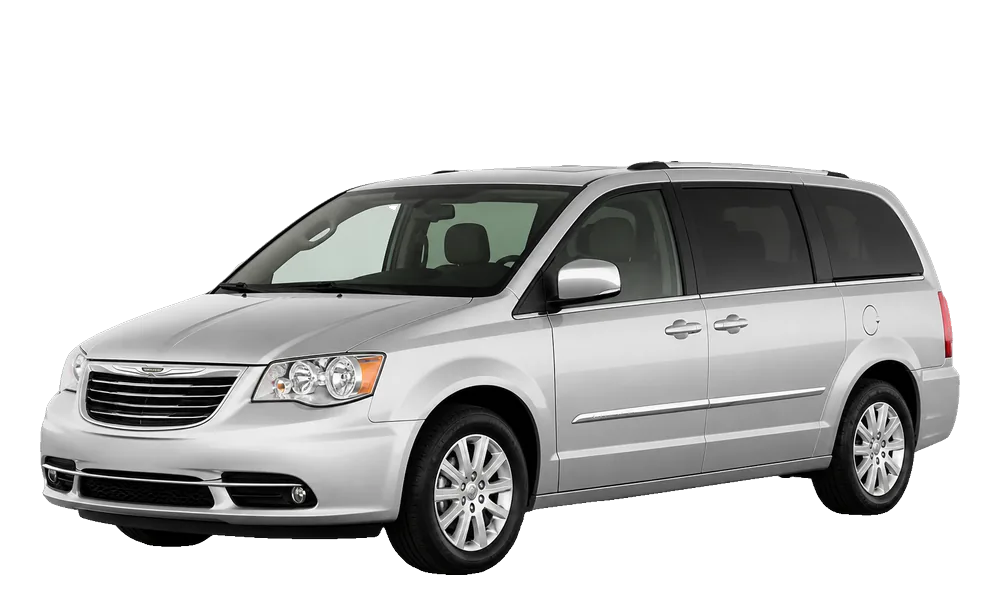 2015 Chrysler Town & Country$7,000–9,25071
Only 3 picks score well at this price. Prices are AI estimates, not listings.
Best used minivans for $5,000–$10,000 (dealer price)
2011–2013 Honda Odyssey$6,500–10,500702007–2010 Toyota Sienna$5,500–9,25069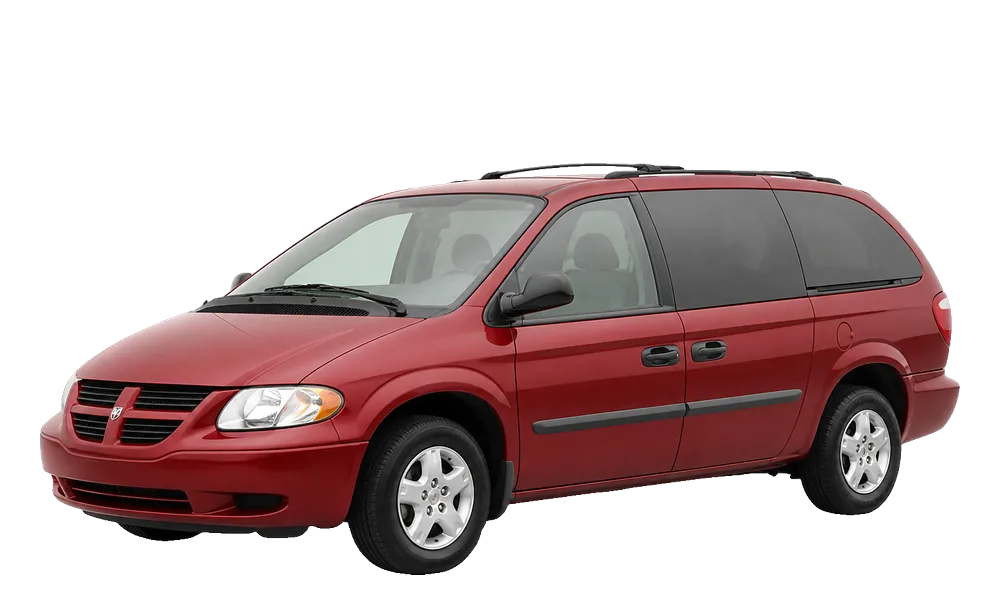 2014–2015 Dodge Grand Caravan$6,750–10,75077
Only 3 picks score well at this price. Prices are AI estimates, not listings.
Best used minivans for $10,000–$20,000 (private seller price)
2015–2017 Honda Odyssey$9,250–15,500572014–2019 Toyota Sienna$9,500–21,000602017–2020 Dodge Grand Caravan$8,750–17,25069Only 3 picks score well at this price. Prices are AI estimates, not listings.
Best used minivans for $10,000–$20,000 (dealer price)
2012–2018 Toyota Sienna$9,750–21,750552015–2017 Honda Odyssey$11,250–18,000572017–2020 Dodge Grand Caravan$10,750–19,75069Only 3 picks score well at this price. Prices are AI estimates, not listings.
Best used minivans over $20,000 (private seller price)
Only 2 picks score well at this price. Prices are AI estimates, not listings.
Best used minivans over $20,000 (dealer price)
Only 2 picks score well at this price. Prices are AI estimates, not listings.
Best used supercars under $100,000 (private seller price)
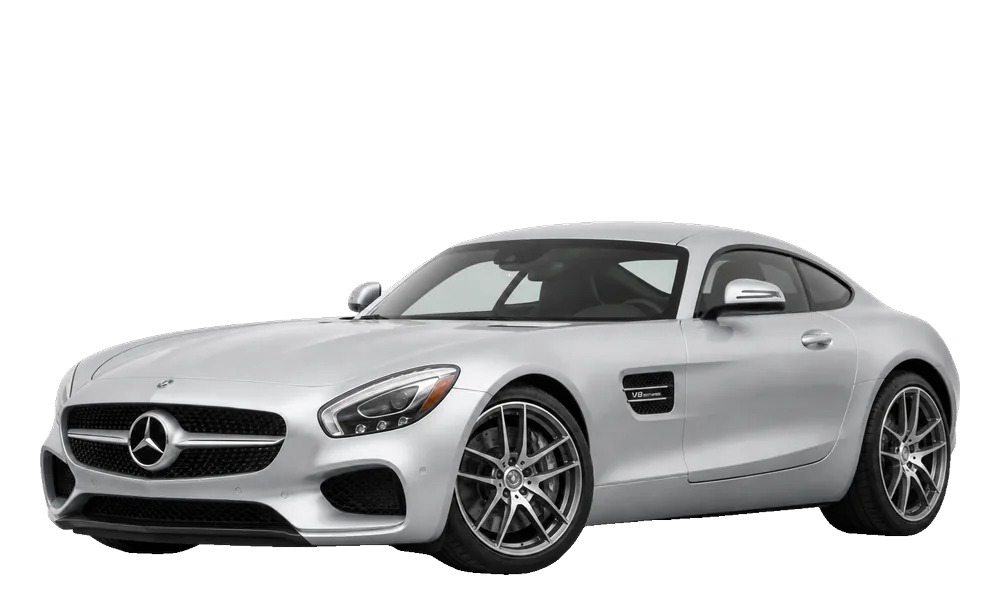
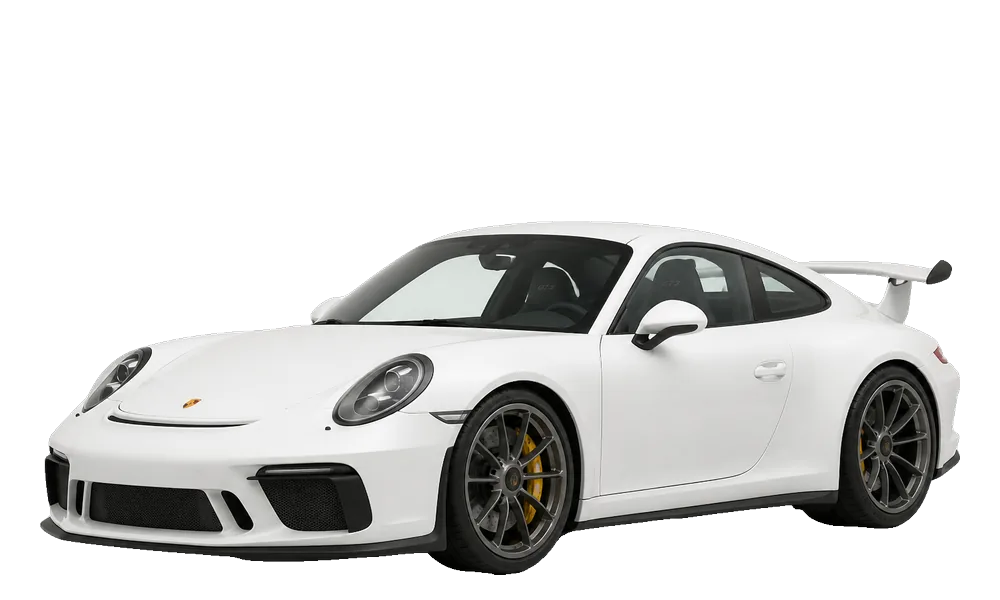
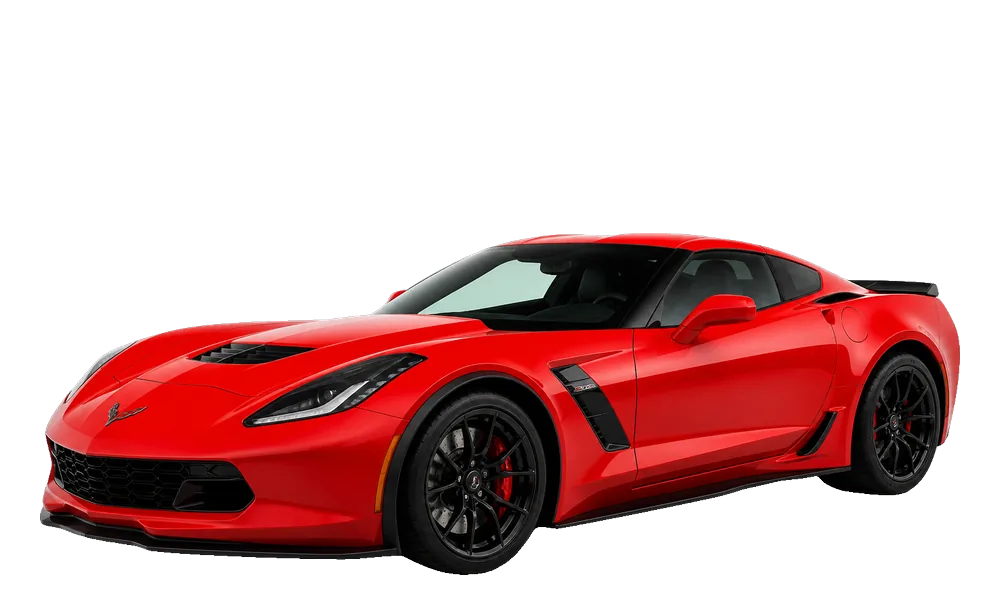
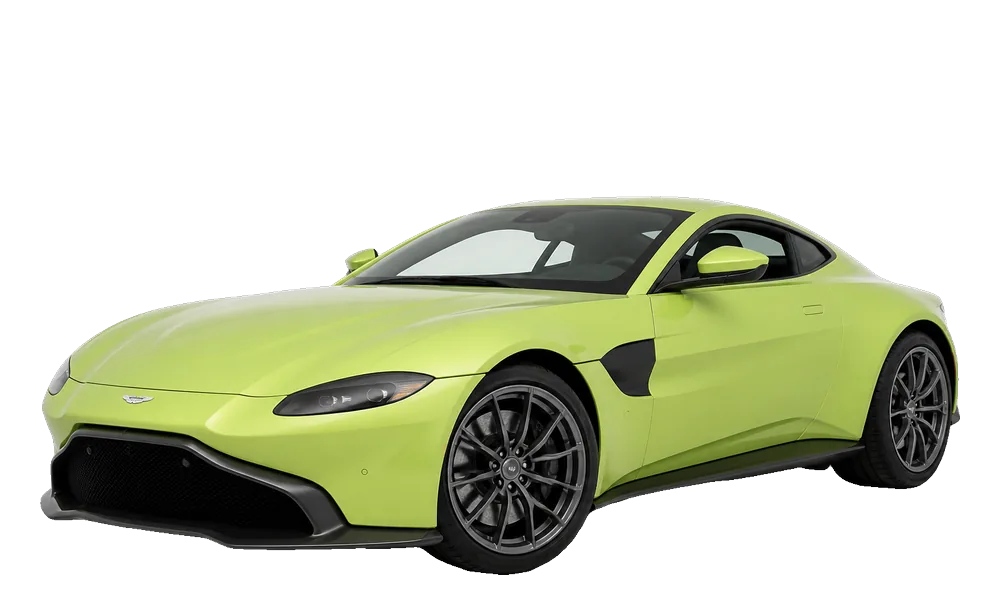
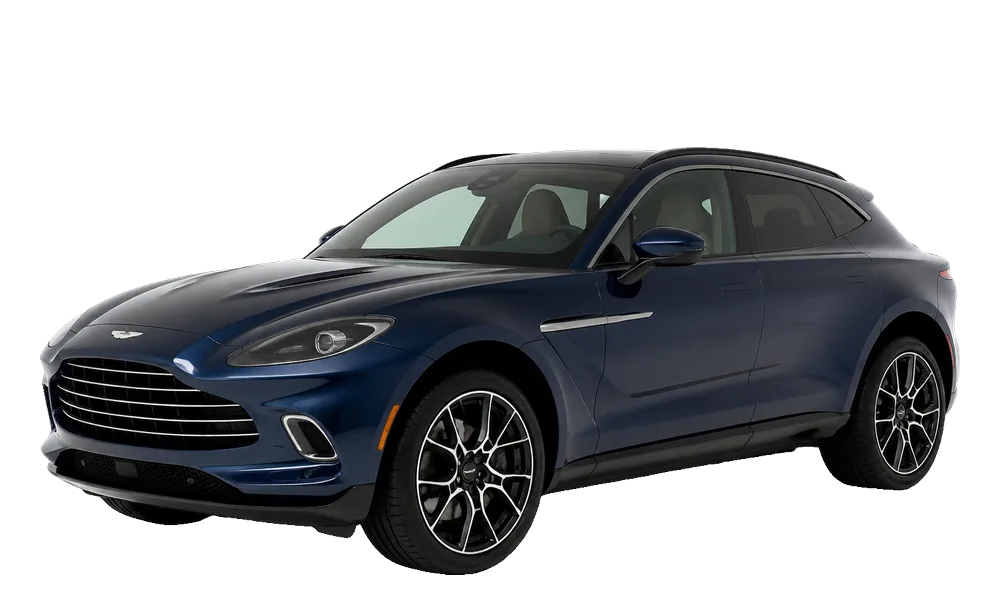
Best used supercars under $100,000 (dealer price)
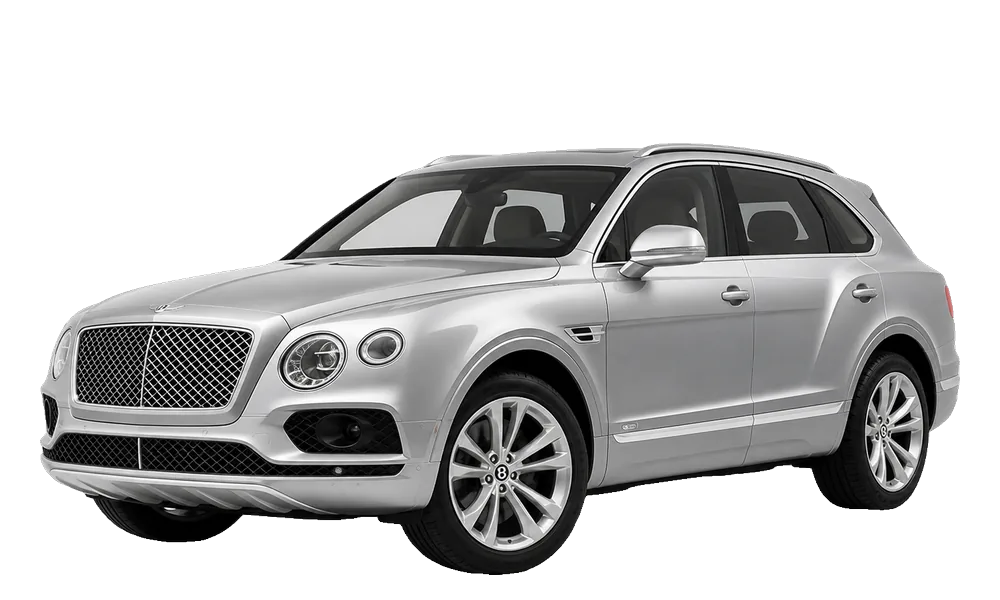
Best used supercars for $100,000–$200,000 (private seller price)
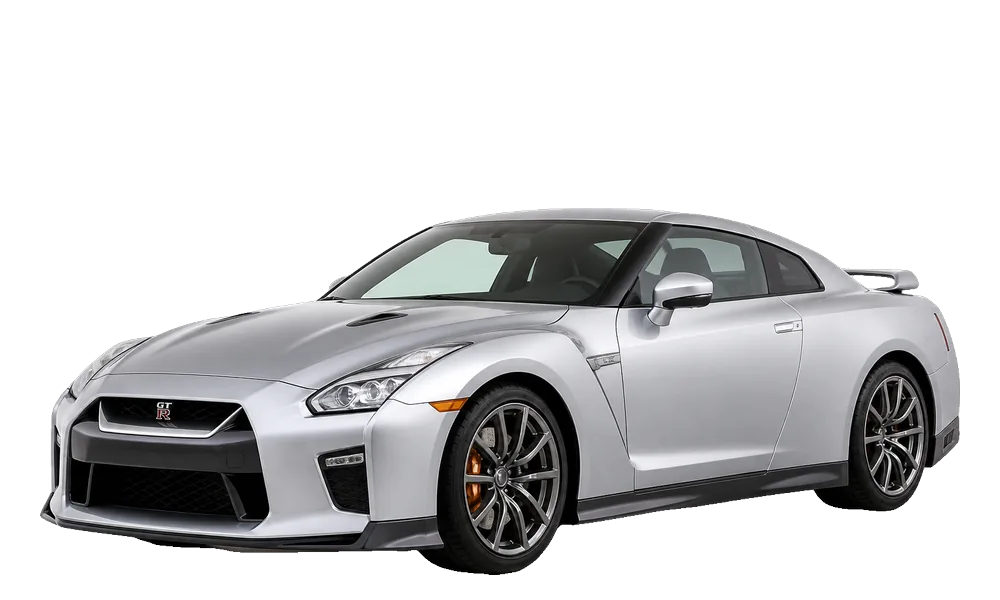
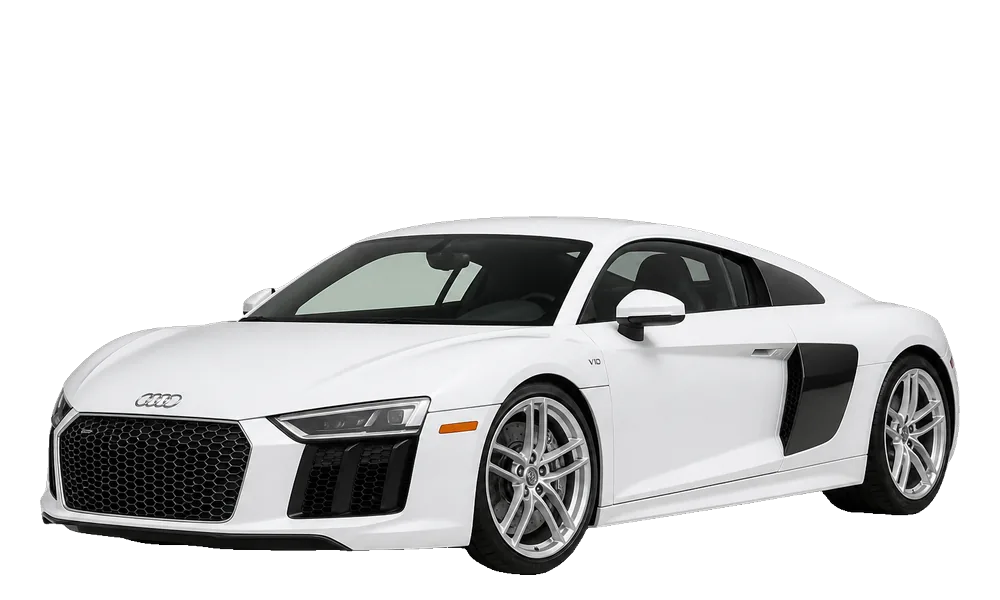
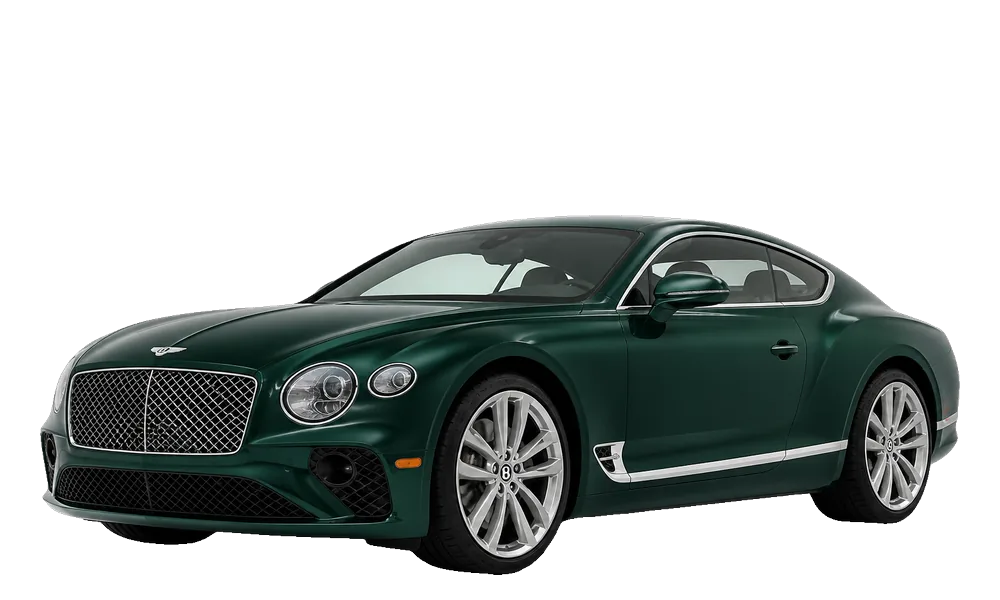
Best used supercars for $100,000–$200,000 (dealer price)
Best used supercars over $200,000 (private seller price)

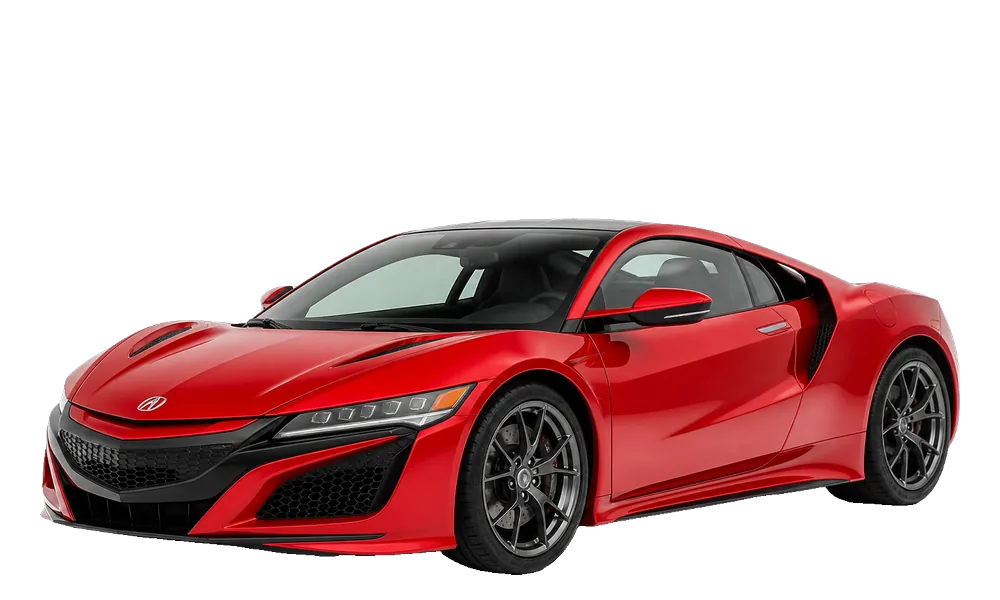
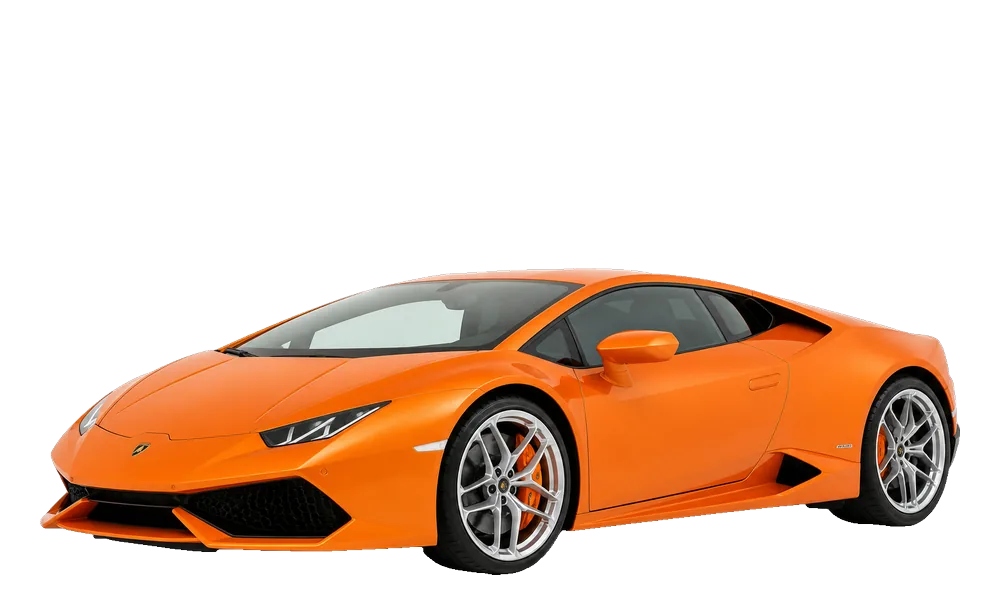
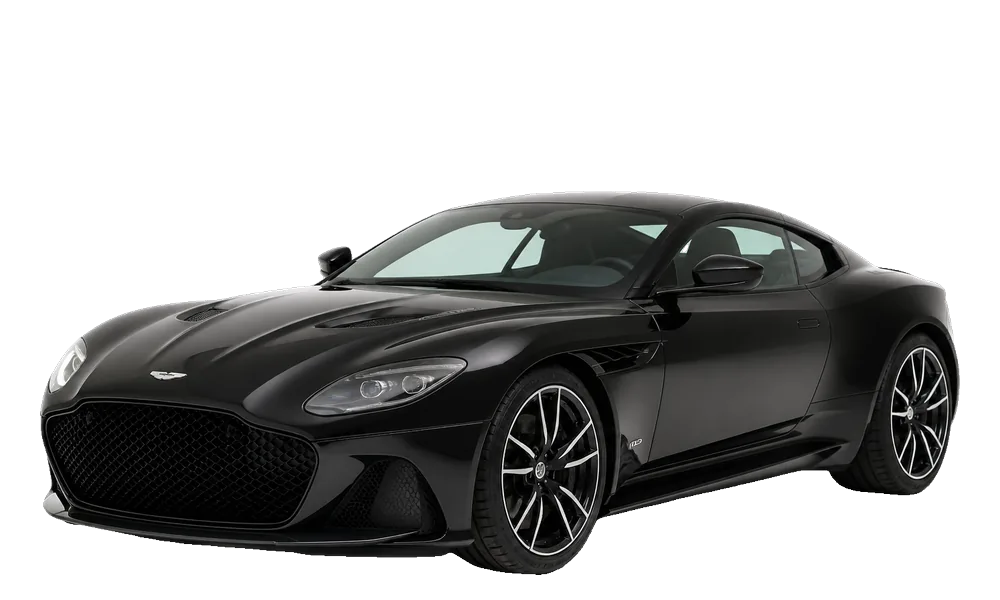
Best used supercars over $200,000 (dealer price)
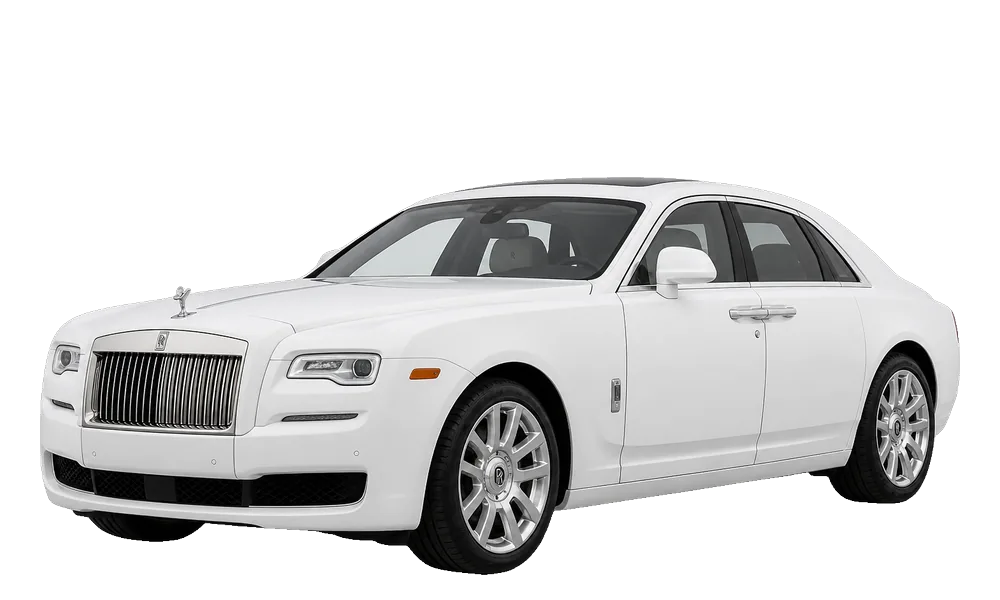
Prices are AI estimates for November 2026, not listings. Score: lower is better (100 is the average car).
Quick answers
What is the best used car on a budget?
Our top private-seller picks: under $5,000, the 2000–2002 Toyota Corolla; $5,000–$10,000, the 2010–2013 Mercedes-Benz E-Class; $10,000–$20,000, the 2019 BMW 3 Series; over $20,000, the 2022 Dodge Charger. Each has fewer owner complaints than the average car, and YouTube buyer guides rate it well.
What is the best used SUV on a budget?
Our top private-seller picks: under $5,000, the 2000–2001 Honda CR-V; $5,000–$10,000, the 2010–2013 Acura MDX; $10,000–$20,000, the 2012–2015 Lexus RX; over $20,000, the 2021–2022 Porsche Macan. Each has fewer owner complaints than the average car, and YouTube buyer guides rate it well.
What is the best used truck on a budget?
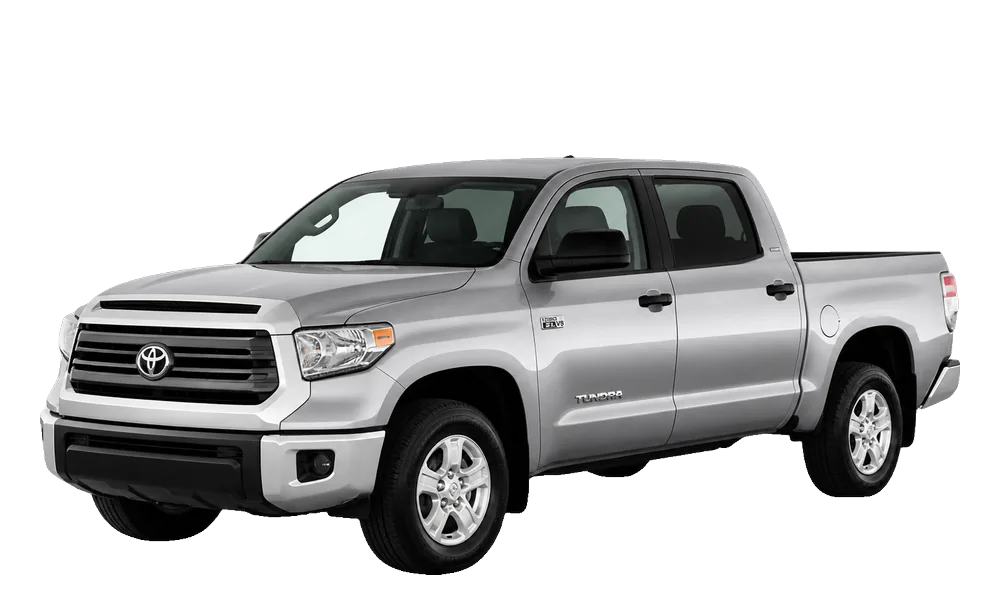
Our top private-seller picks: under $5,000, the 2000 Ram pickup; $5,000–$10,000, the 2010–2011 Ford Ranger; $10,000–$20,000, the 2014–2020 Nissan Frontier; over $20,000, the 2015–2021 Toyota Tundra. Each has fewer owner complaints than the average car, and YouTube buyer guides rate it well.
What is the best used minivan on a budget?
Our top private-seller picks: under $5,000, the 2004 Dodge Grand Caravan; $5,000–$10,000, the 2012–2013 Toyota Sienna; $10,000–$20,000, the 2015–2017 Honda Odyssey; over $20,000, the 2020 Toyota Sienna. Each has fewer owner complaints than the average car, and YouTube buyer guides rate it well.
What is the best used supercar for the money?
Our top private-seller picks: under $100,000, the 2016–2021 Mercedes-AMG GT; $100,000–$200,000, the 2022–2025 Mercedes-AMG GT; over $200,000, the 2019–2021 McLaren 720S / 750S. Supercars have too few complaints to score, so they are ranked by YouTube buyer score and price.
How are the picks chosen?
Mostly by reliability: the Lemon Index of those years (owner complaints to NHTSA in the first 3 years, per car sold; 100 is the average car, lower is better), then by how YouTube buyer guides rate them. Each pick is a run of model years from one generation, every one scoring as well as or better than the average car, so you can search for any of them near you.
Where do the prices come from?
They are Lemon Index estimates made with AI for November 2026, not listings or an appraisal: a fair private-seller and dealer price for an average car with a clean title at the mileage most cars of those years have. Check real listings and get an inspection before you buy.
Before you buy
Check the VIN for open recalls
Free. It's on the dashboard by the windshield, on the door frame, or on the registration.
Read that year's complaints
Open the exact model year from the list: its top problems, recalls and owners' repair bills.
Get an inspection
Have an independent mechanic check the car before you pay.