 The Lemon Index
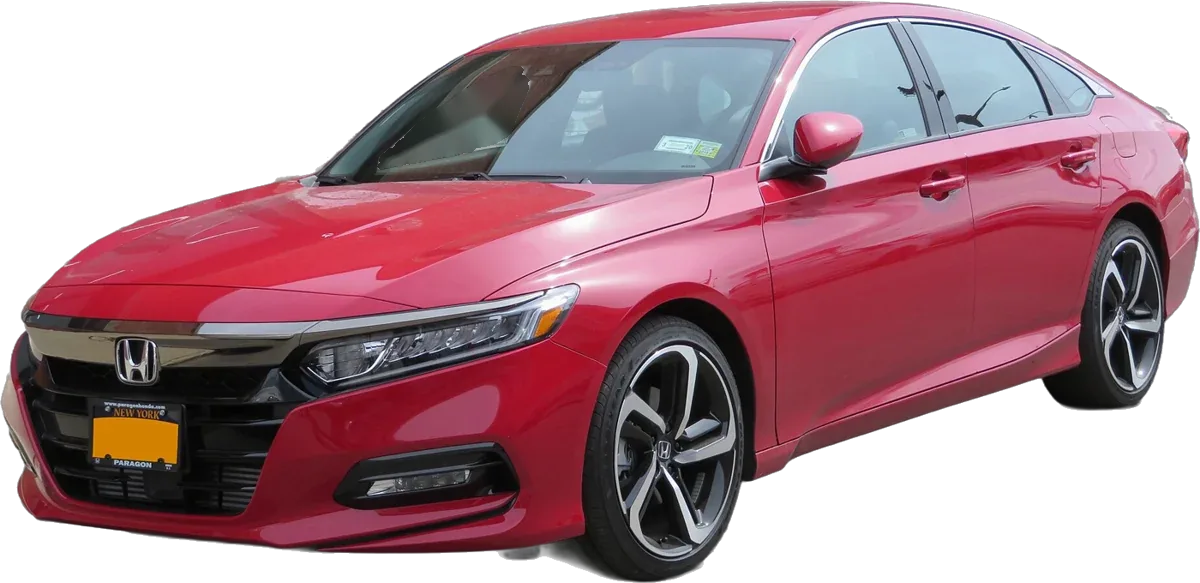
What people pay. Average APR by credit score.
Super prime781–8504.4% new6.3% used
Prime661–7806.2% new8.8% used
Near prime601–6609.7% new13.9% used
Subprime501–60013.5% new19.1% used
Deep subprime300–50016.1% new21.6% used
| Credit | New APR | Used APR | New payment | Used payment |
|---|---|---|---|---|
| Super prime 781–850 | 4.41% | 6.29% | $741 | $534 |
| Prime 661–780 | 6.15% | 8.81% | $770 | $528 |
| Near prime 601–660 | 9.71% | 13.93% | $816 | $555 |
| Subprime 501–600 | 13.52% | 19.10% | $805 | $567 |
| Deep subprime 300–500 | 16.11% | 21.62% | $779 | $570 |
Averages for loans opened in Q2 2026, from Experian's State of the Automotive Finance Market (VantageScore 4.0). Your own rate also depends on the loan length, the car's age and the lender.
How dealers make money on your loan
When a dealer arranges your loan, the lender approves a rate (the “buy rate”) and the dealer can add points on top. Federal settlements with several big lenders capped that markup at about 1 to 1.25 points, and lenders commonly cap it at 2 to 3. That markup is negotiable.
- Get pre-approved first. A quote from your bank or a credit union is your leverage.
- Ask the dealer to beat it. If they can't, use your own loan.
- Compare the total cost, not the monthly payment. A longer loan lowers the payment and raises what you pay overall.
General information, not financial advice. Check a specific car's problems and recalls before you buy: look up any car or check a VIN.