 The Lemon Index
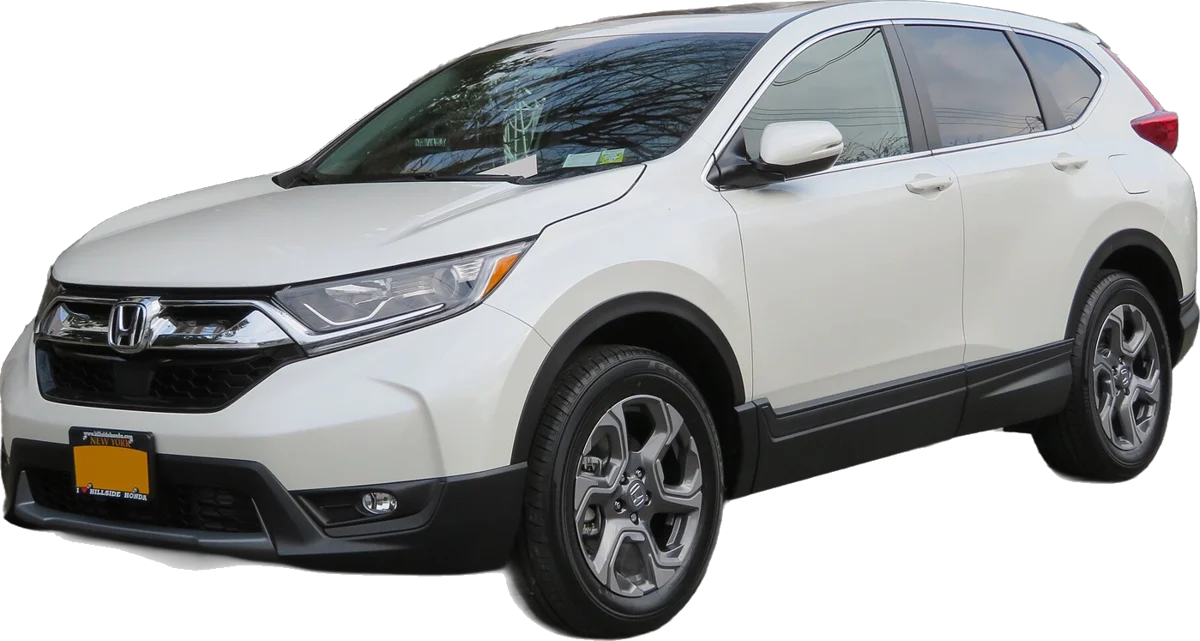
2006 Honda CR-V.
The 2006 Honda CR-V is one of the most reliable years by owner complaints: 39 complaints in its first 3 years and a Lemon Index of 33, where 100 is the average car. Owners complain most about electrical, it has 13 recalls, and it gets 21 to 23 mpg combined. The best Honda CR-V year is 2001.

Before you buy. What matters most for this car.
How serious. Out of 398 owner complaints, owners reported:
Older model year: fewer owners filed complaints back then, so treat the score as rough.
Every Honda CR-V year. 2006 is highlighted. Lower is better.
What owners complain about most. From owner complaints to the government.
Share of this year's owner complaints filed with NHTSA, not the share of cars that break. One complaint can name more than one area.
When owners reported problems. From owner complaints to the government.
Most owners who filed a complaint with NHTSA had 41K to 107K miles on the car (285 complaints listed the miles). This shows when people who had a problem reported it, not the odds that your car will have it.
- lights complaints mostly came at 45K–116K miles
- electrical complaints mostly came at 50K–111K miles
- airbags complaints mostly came at 42K–128K miles
Recalls 13
- visibility 2020
Moisture may enter the driver side power window master switch, causing the switch to fail or melt.
- speed control 2019
The rotating portion of the accelerator pedal assembly may bind.
- airbags 2019
These vehicles are equipped with driver frontal air bag inflators assembled as a recall remedy part or replacement service part, that may explode due to propellant degradation occurring after long-term exposure to high a…
Show all 13 recalls
- airbags 2019
The vehicles are equipped with passenger frontal air bag inflators assembled as a recall remedy part or replacement service part, that may explode due to propellant degradation occurring after long-term exposure to high …
- airbags 2019
The affected vehicles received a replacement driver air bag inflator as part of a previous Takata inflator recall remedy or a replacement driver air bag module containi.
- airbags 2018
The front passenger air bag may have been installed incorrectly during replacement.
- airbags 2017
An inflator rupture may result in metal fragments striking the vehicle occupants resulting in serious injury or death.
- airbags 2016
An inflator rupture may result in metal fragments striking the vehicle occupants resulting in serious injury or death.
- airbags 2015
The affected vehicles are equipped with a dual-stage driver frontal air bag that may be susceptible to moisture intrusion and other factors, including manufacturing variability that, over time, could cause the inflator t…
- electrical 2012
The driver-side power window switch may fail or melt.
- suspension 2012
HONDA IS RECALLING CERTAIN MODEL YEAR 2006 CR-V VEHICLES.
- electrical 2011
HONDA IS RECALLING CERTAIN MODEL YEAR 2006 CR-V PASSENGER CARS MANUFACTURED FROM OCTOBER 3, 2005, THROUGH JULY 21, 2006.
- equipment 2006
ON CERTAIN PASSENGER VEHICLES AND MOTORCYCLES, THE OWNER'S MANUALS CONTAIN INCORRECT CONTACT INFORMATION FOR THE NATIONAL HIGHWAY TRAFFIC SAFETY ADMINISTRATION'S (NHTSA) VEHICLE SAFETY HOTLINE.
Recall repairs are free at any dealer. A recall only matters if it's still open on that exact car, so check its VIN.
Problems Honda told dealers about
Honda sent dealers 55 repair notes for this car. The ones about its biggest problems:
- On some model vehicles, there is an alternator/starter tester (ast) module capable of testing
- Accessory power socket inoperative
- "service bulletin - the mil comes on with one of these dtcs: p2646/p2651 (rocker arm oil…
Ask a seller or mechanic if these were done. Some are free under warranty or a special program.
Government investigations
- OpenDesiccated air bag inflator rupture2021
- OpenAir bag inflator rupture2015
- ClosedAir bag inflator rupture2014–2015
- ClosedDriver's power window master switch2011–2012
NHTSA looks into a problem when enough owners report it. Many end in a recall.
Safety
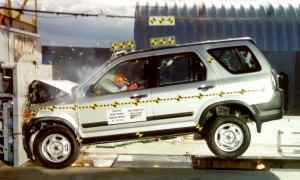
Crash stars (older test): front ★★★★★ · side — · rollover ★★★★☆
Fuel cost and engines
About $2800–3050 a year in fuel (EPA estimate). Engines: 2.4L 4-cyl.
In owners' words
(1) event leading to the failure I was in a vehicle accident and my driver side curtain airbags did not deploy dispite the direct contact on the driver side door, which bolted the door permantly shut.
2006 Honda CR-V owner · NHTSA complaint 10184677
More owner reports
Potential fire hazard, wires leading to 12 Volt power supply in dash area were darkened, caused short that left radio and gear shift energized at all times. Battery was drained.
NHTSA complaint 10238305
Quick answers
Is the 2006 Honda CR-V reliable?
Yes, it is one of the most reliable by government complaints. It drew 3× fewer complaints than average filed with NHTSA in its first 3 years, per car sold (Lemon Index 33; 100 is average, lower is better). The best Honda CR-V year by this measure since 2010 is 2011.
What are the most common 2006 Honda CR-V problems?
In owner complaints to the government, the parts named most are electrical (15%), airbags (15%) and tires (13%). That is the share of complaints, not the share of cars that break.
How many recalls does the 2006 Honda CR-V have?
13 safety recalls (latest: visibility). Recall repairs are free at any dealer; check a specific car's VIN at nhtsa.gov/recalls.
What gas mileage does the 2006 Honda CR-V get?
21 to 23 mpg combined, depending on the engine (EPA estimate).
At what mileage do 2006 Honda CR-V problems start?
Half of the owners who gave a mileage reported the problem between 41,000 and 107,500 miles. The middle report was at 74,000 miles, from 285 complaints.
Does the 2006 Honda CR-V have transmission problems?
Transmission and drivetrain issues aren't among its top 5 complaint areas.
How much does the 2006 Honda CR-V cost in fuel a year?
About $2800 to $3050 a year, by the EPA's current estimate.
What engines does the 2006 Honda CR-V have?
2.4L 4-cyl.
What Honda CR-V year is better than the 2006?
By owner complaints per car sold, the best recent years are 2011, 2010 and 2013.
Lemon Index = safety complaints filed with the U.S. government (NHTSA) in a car's first 3 years, per car sold, against the average car of the same model year. 100 is average; lower is better. A complaint is an owner's report, not a confirmed defect. How it works