 The Lemon Index
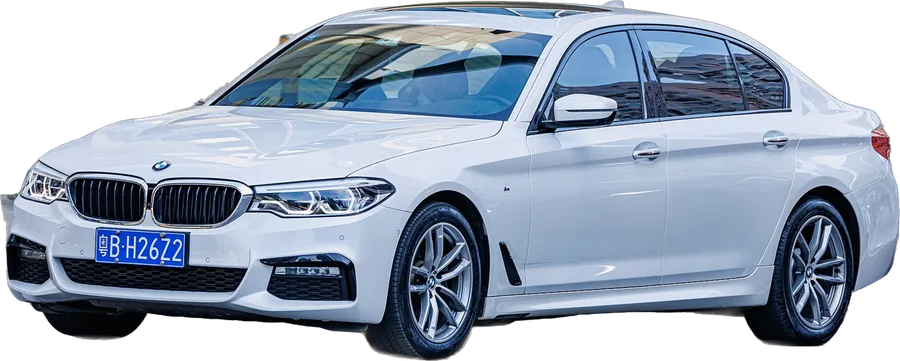
2004 BMW 5 Series.
The 2004 BMW 5 Series is about average by owner complaints: 36 complaints in its first 3 years and a Lemon Index of 91, where 100 is the average car. Owners complain most about airbags, it has 0 recalls, and it gets 17 to 22 mpg combined. The best BMW 5 Series year is 2016.

Before you buy. What matters most for this car.
How serious. Out of 321 owner complaints, owners reported:
Older model year: fewer owners filed complaints back then, so treat the score as rough.
Every BMW 5 Series year. 2004 is highlighted. Lower is better.
What owners complain about most. From owner complaints to the government.
Share of this year's owner complaints filed with NHTSA, not the share of cars that break. One complaint can name more than one area.
When owners reported problems. From owner complaints to the government.
Most owners who filed a complaint with NHTSA had 60K to 114K miles on the car (275 complaints listed the miles). This shows when people who had a problem reported it, not the odds that your car will have it.
- airbags complaints mostly came at 62K–106K miles
- electrical complaints mostly came at 73K–156K miles
- seats complaints mostly came at 54K–116K miles
Recalls 0
No safety recalls on record.
Recall repairs are free at any dealer. A recall only matters if it's still open on that exact car, so check its VIN.
Problems BMW told dealers about
BMW sent dealers 95 repair notes for this car. The ones about its biggest problems:
- Battery Replacements
- "N54 Engine: Diagnosis of Cold Start Rough Running with Misfire Faults
- "Discharged Battery: Energy Diagnosis Must Be Performed
Ask a seller or mechanic if these were done. Some are free under warranty or a special program.
Government investigations
- ClosedBmw airbag light illumination2008
NHTSA looks into a problem when enough owners report it. Many end in a recall.
Fuel cost and engines
About $3600–4700 a year in fuel (EPA estimate). Engines: 2.5L 6-cyl, 3.0L 6-cyl, 4.4L 8-cyl.
In owners' words
Dunlop tires wear out prematurely on the inner tread. If undetected blow-out can result. I have had to replace two sets of tires in less than 40,000 miles;.
2004 BMW 5 Series owner · NHTSA complaint 10140922
More owner reports
2004 BMW 530i developed problems with the tire equipment.
NHTSA complaint 10133463
At about 50 mph consumer had a tire blown indication, upon closer examination, he discovered all four tires were worn to the cord/belts on the inside left rear.
NHTSA complaint 10139972
Quick answers
Is the 2004 BMW 5 Series reliable?
About average by government complaints. It drew about the average number of complaints filed with NHTSA in its first 3 years, per car sold (Lemon Index 91; 100 is average, lower is better). The best BMW 5 Series year by this measure is 2016.
What are the most common 2004 BMW 5 Series problems?
In owner complaints to the government, the parts named most are airbags (19%), tires (17%) and electrical (14%). That is the share of complaints, not the share of cars that break.
How many recalls does the 2004 BMW 5 Series have?
None: NHTSA has no safety recalls on record for it.
What gas mileage does the 2004 BMW 5 Series get?
17 to 22 mpg combined, depending on the engine (EPA estimate).
At what mileage do 2004 BMW 5 Series problems start?
Half of the owners who gave a mileage reported the problem between 60,000 and 114,400 miles. The middle report was at 86,000 miles, from 275 complaints.
Does the 2004 BMW 5 Series have transmission problems?
Transmission and drivetrain issues aren't among its top 5 complaint areas.
How much does the 2004 BMW 5 Series cost in fuel a year?
About $3600 to $4700 a year, by the EPA's current estimate.
What engines does the 2004 BMW 5 Series have?
2.5L 6-cyl, 3.0L 6-cyl, 4.4L 8-cyl.
What BMW 5 Series year is better than the 2004?
By owner complaints per car sold, the best recent years are 2016, 2015 and 2020.
Lemon Index = safety complaints filed with the U.S. government (NHTSA) in a car's first 3 years, per car sold, against the average car of the same model year. 100 is average; lower is better. A complaint is an owner's report, not a confirmed defect. How it works