 The Lemon Index
The tire pressure light means one or more tires is low, or a sensor has a fault.
Get it checked. Check all four pressures first. If the light is solid, add air and see if it goes off.
A tire that is low on air, often from a nail or a leaking valve. Then: cold weather lowering pressure; a dead tire pressure sensor battery.
Owners describe this in 3,826 complaints to the U.S. government, most often on the Honda Accord.
Cars owners report it on most
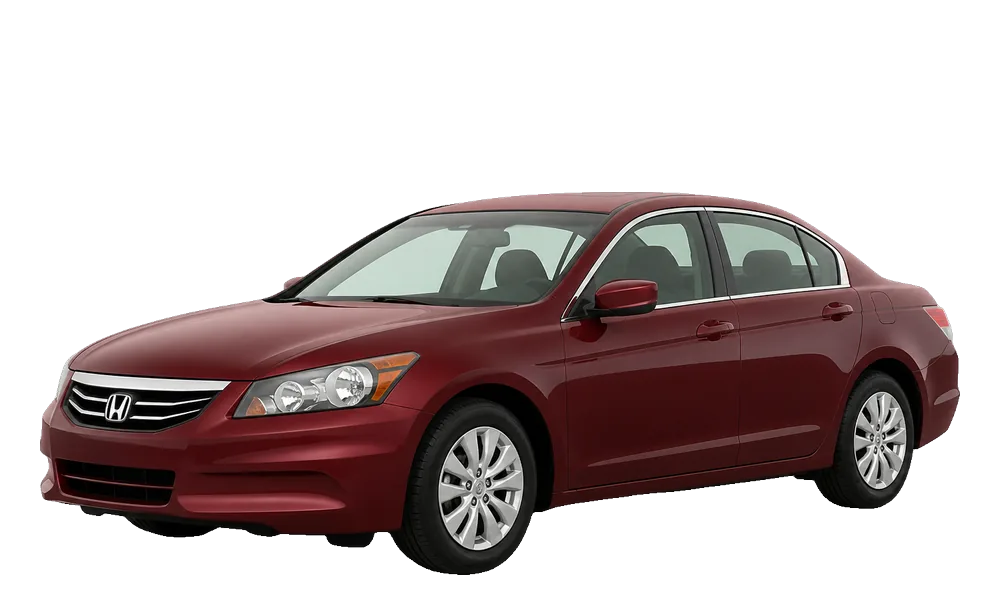
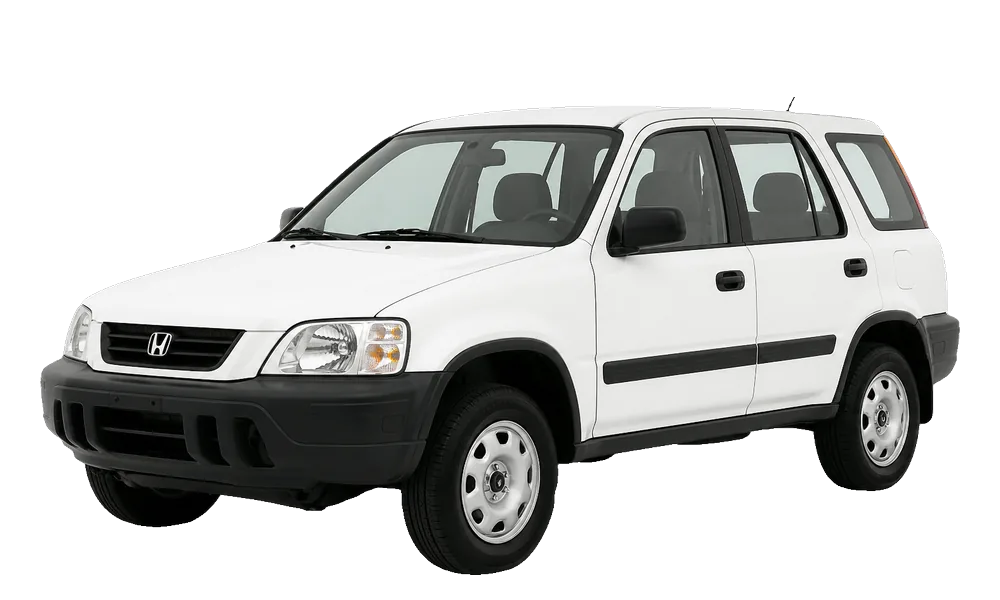
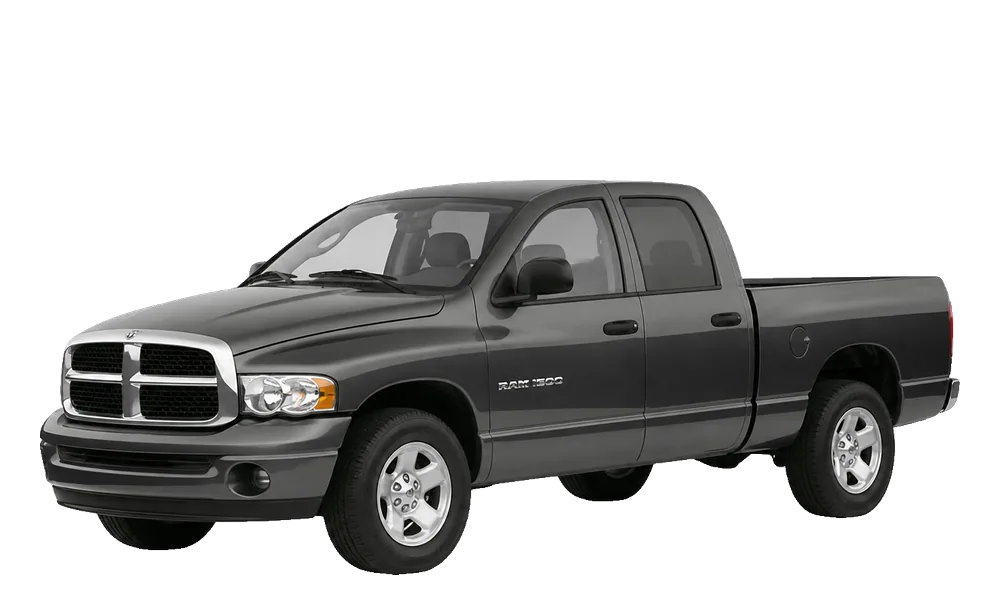
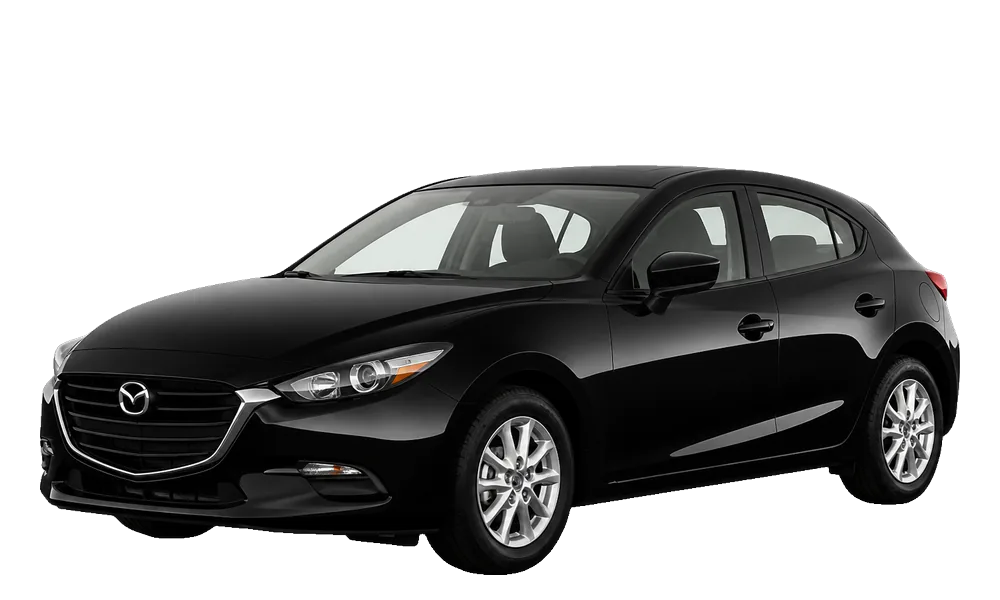
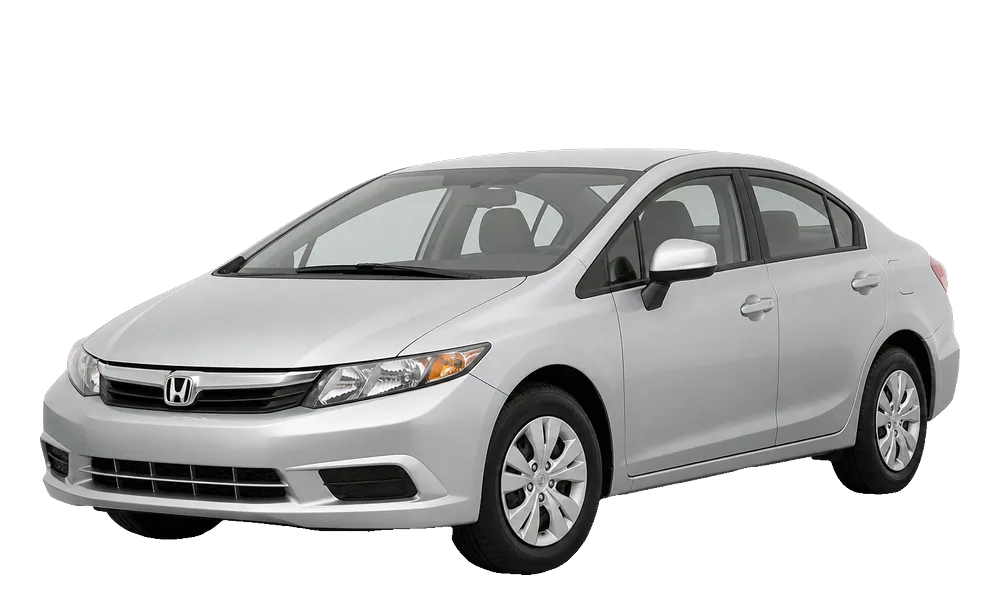
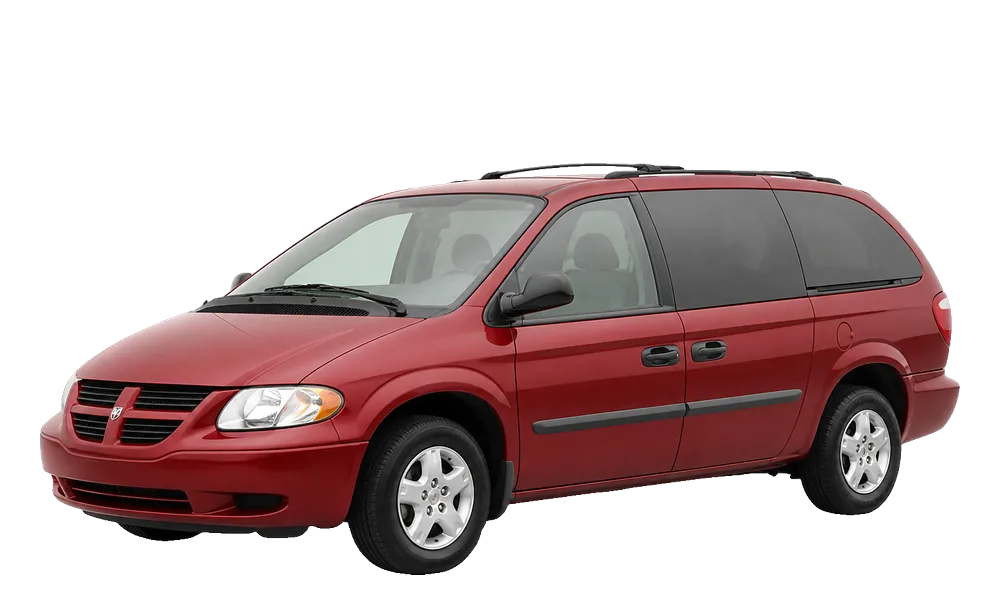
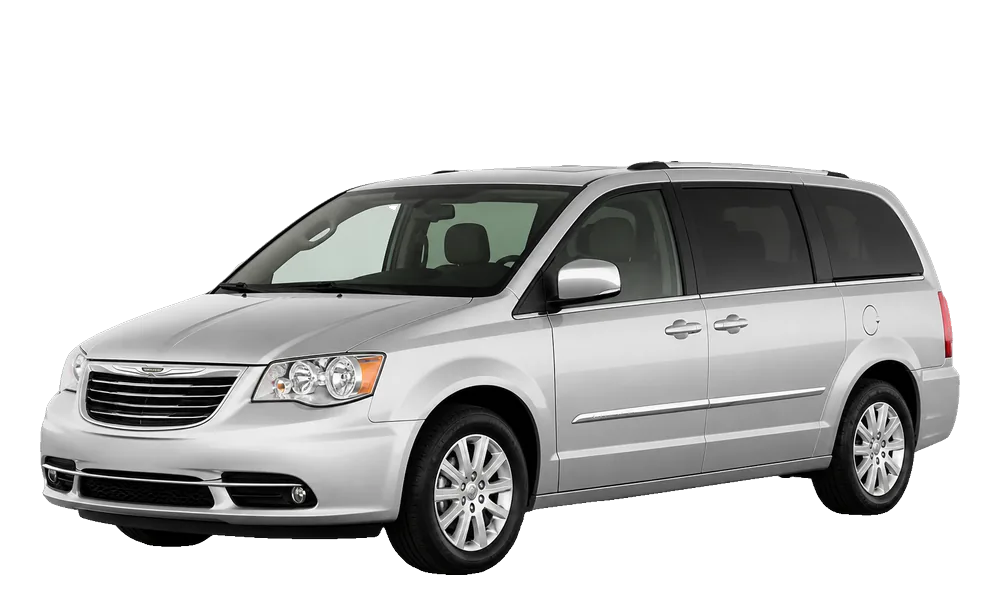
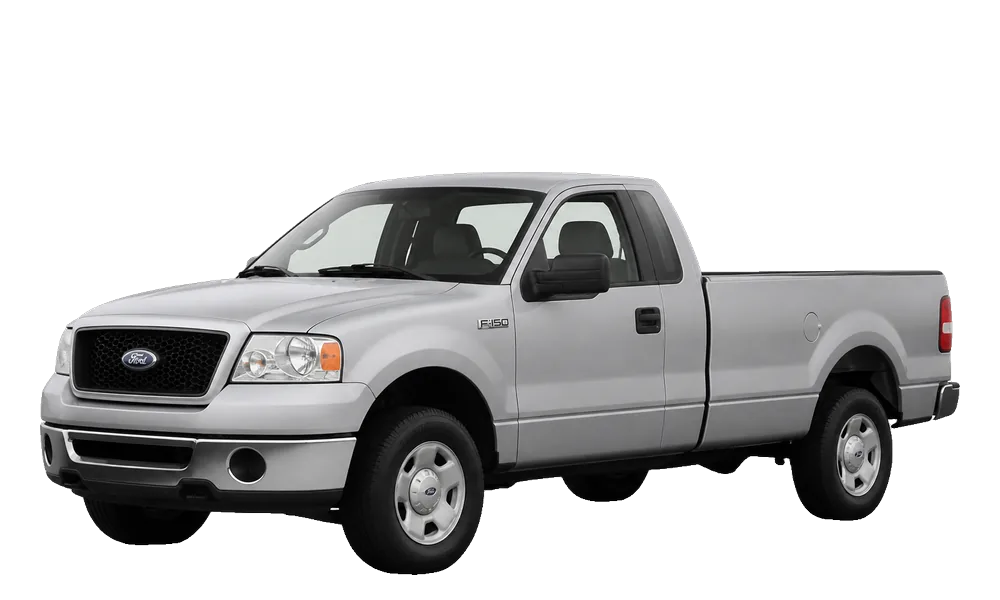
Complaints describing this symptom, by model, all years. Raw counts, not a failure rate: popular models get more complaints.
Model years that report it most
| Model year | Complaints | Share |
|---|---|---|
| 2014 Honda CR-V | 73 | 12% |
| 2010 Mazda3 | 45 | 7% |
| 2009 Ram pickup | 34 | 3% |
| 2018 Honda Accord | 33 | 2% |
| 2013 Honda Accord | 32 | 2% |
| 2008 Mazda3 | 29 | 10% |
| 2009 Dodge Grand Caravan | 28 | 4% |
| 2014 Honda Accord | 28 | 3% |
| 2008 Dodge Grand Caravan | 27 | 2% |
| 2010 Ford Fusion | 26 | 0.5% |
| 2008 Dodge Avenger | 24 | 3% |
| 2018 Honda CR-V | 23 | 1% |
Each row is that model year's record in NHTSA complaints, not the history of any one car. Share = complaints describing this symptom out of every complaint we hold for that model year (shown when the year has 50+ complaints).
Where it makes up the biggest share
2014 Honda CR-V · 12% 2008 Mazda3 · 10% 2014 Honda Civic · 7% 2010 Mazda3 · 7% 2013 Mazda CX-5 · 6% 2017 Chevrolet Corvette · 6% 2023 Honda Accord · 6% 2011 Honda Odyssey · 5%
Model years with 150+ complaints in our data and 10+ describing this symptom, ranked by share. A high share means owners of that year who complained often mentioned it.
The details
Common causes of tire pressure light on
- A tire that is low on air, often from a nail or a leaking valve
- Cold weather lowering pressure
- A dead tire pressure sensor battery
- A sensor that wasn’t reset after new tires
- A damaged valve stem
General causes, not a diagnosis. A shop should confirm the cause with tests before replacing parts.
Is it safe to drive with the tire pressure light on?
Get it checked. Check all four pressures first. If the light is solid, add air and see if it goes off.
Get help right away if a tire looks flat; the light flashes, then stays on (often a sensor fault).
Of the 3,826 complaints describing it, 2% mention a crash, 3% say the car was towed, 1% mention a fire and 1% report an injury.
What the complaints show
The parts owners filed these complaints under: tires (38%), wheels (28%), electrical system (24%), engine (9%). A complaint can list more than one.
Median odometer reading when owners reported it: 45,000 miles.
Most reports by make: Honda (616), Ford (378), Dodge (288), Chevrolet (256), Toyota (250).
Related symptoms
Car shakes at highway speed Clicking noise when turning Clunking noise over bumps Car pulls to one side Steering wheel hard to turn Steering wheel locked up
Quick answers
What causes tire pressure light on?
The tire pressure light means one or more tires is low, or a sensor has a fault. Common causes: a tire that is low on air, often from a nail or a leaking valve; cold weather lowering pressure; a dead tire pressure sensor battery; a sensor that wasn’t reset after new tires; a damaged valve stem.
Is it safe to drive with the tire pressure light on?
Get it checked. Check all four pressures first. If the light is solid, add air and see if it goes off.
Which cars have this problem most?
In complaints to NHTSA, owners describe it most on the Honda Accord, Honda CR-V and Ram pickup. These are raw counts, so popular models rank higher; complaints are owner reports, not proof of a defect.
Counts: NHTSA owner complaints whose text describes this symptom (we matched owners' own wording, then read samples to check the matches). A complaint is an owner's report, not a diagnosis or proof of a defect. Causes and advice are general information in our own words, not repair advice for your car. Every symptom · Engine code lookup