 The Lemon Index
A flashing check engine light usually means a misfire bad enough to damage the catalytic converter.
Stop and get help. Ease off and get it to a shop now. Avoid hard acceleration and long drives.
An engine misfire (spark plugs, coils or injectors). Then: a failing ignition coil; a fuel delivery problem.
Owners describe this in 3,859 complaints to the U.S. government, most often on the Hyundai Sonata.
Cars owners report it on most
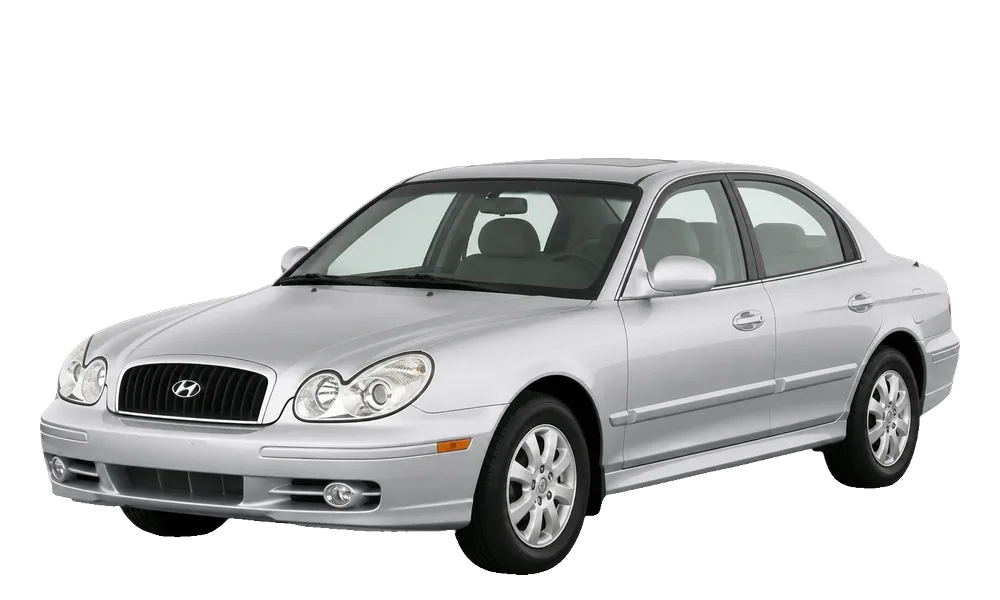
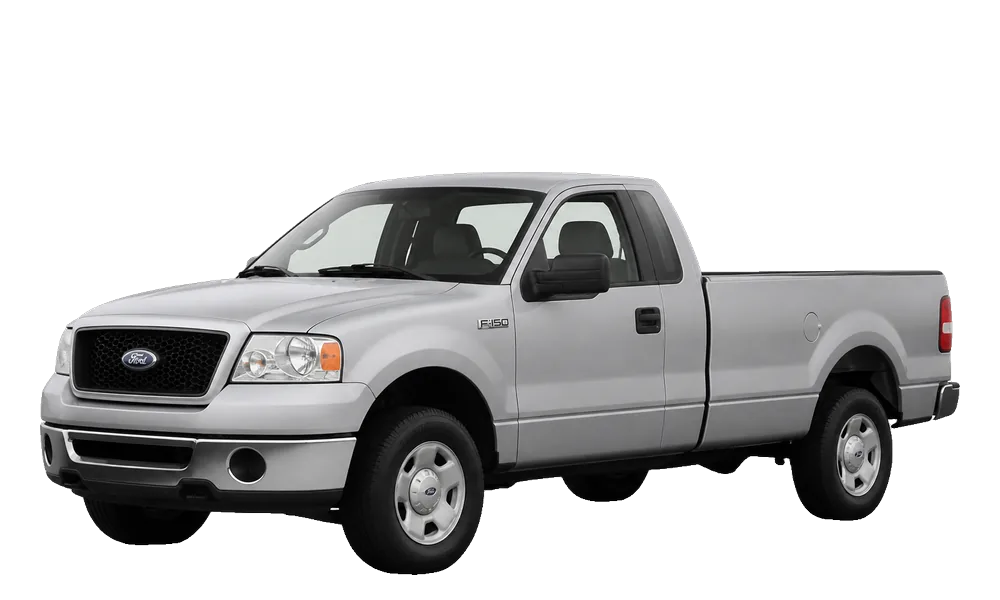
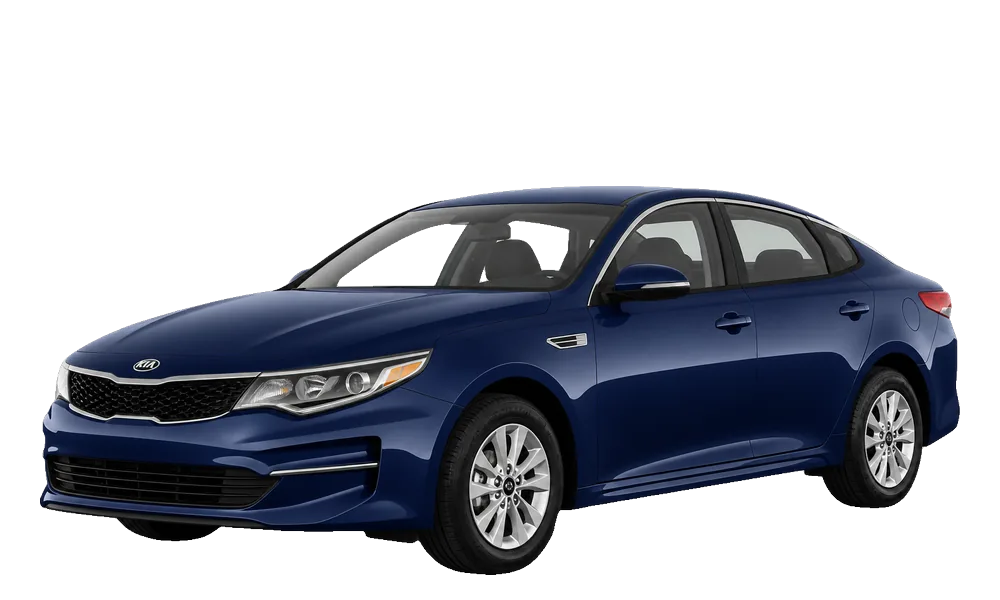
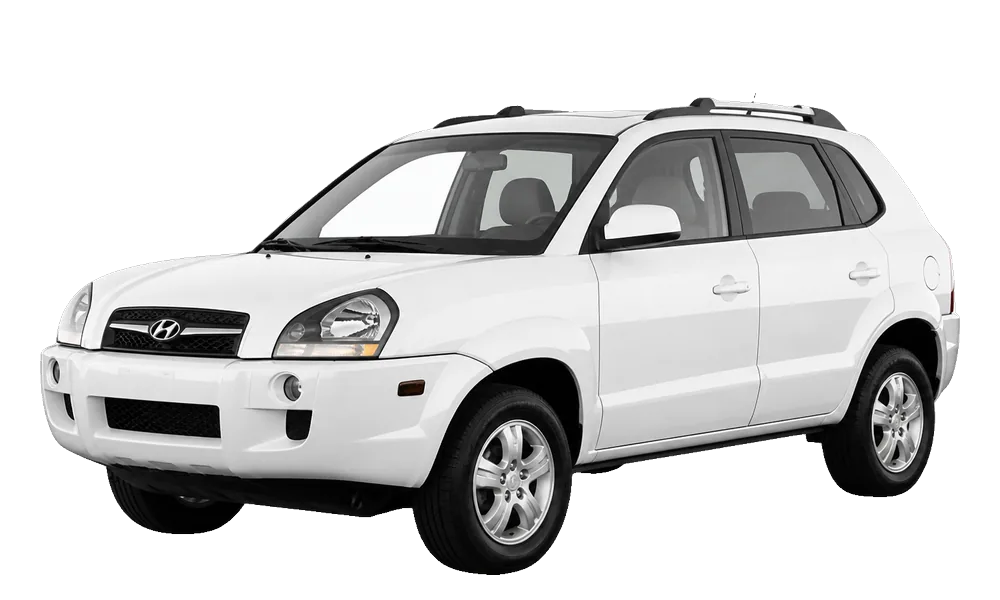
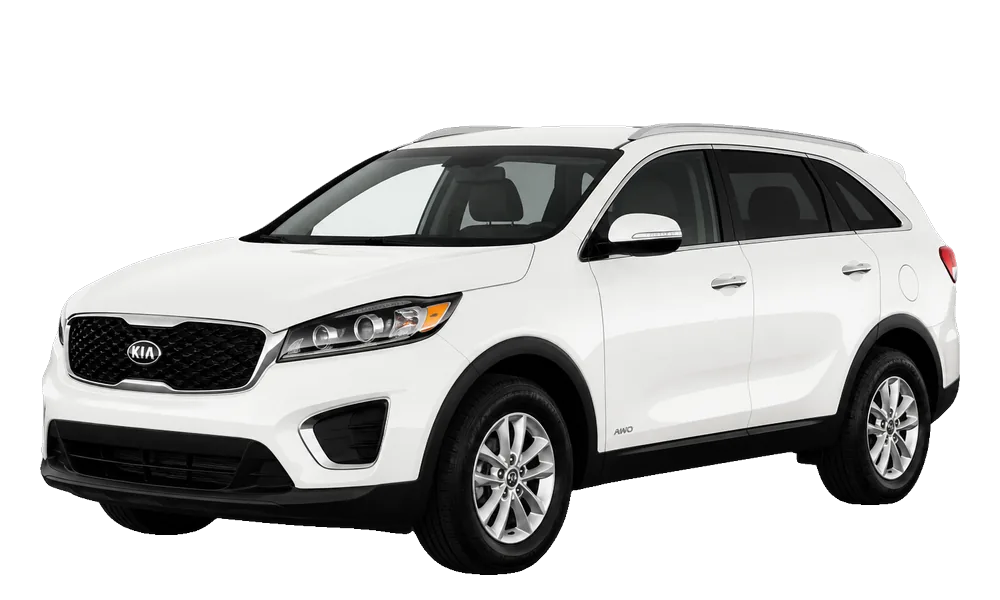
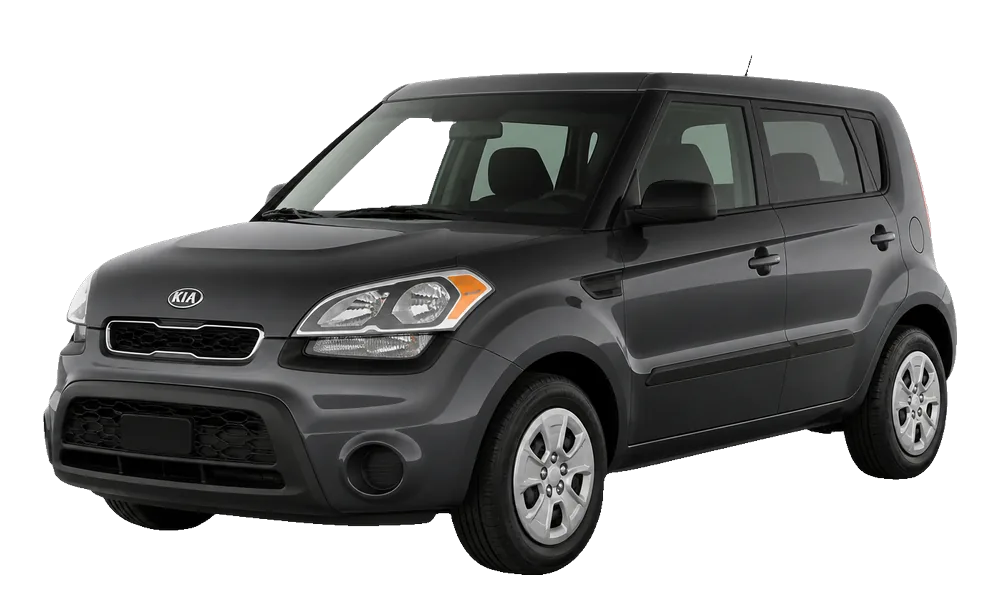
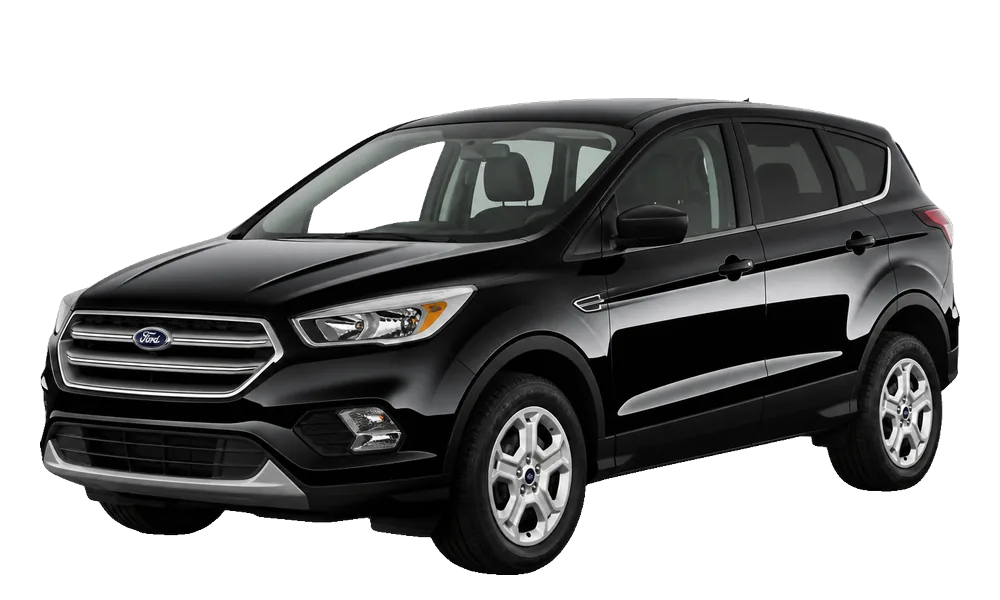

Complaints describing this symptom, by model, all years. Raw counts, not a failure rate: popular models get more complaints.
Model years that report it most
| Model year | Complaints | Share |
|---|---|---|
| 2013 Ford F-Series | 60 | 2% |
| 2011 Ford F-Series | 52 | 2% |
| 2017 Ford Escape | 48 | 2% |
| 2018 Ford Escape | 37 | 2% |
| 2015 Hyundai Sonata | 36 | 3% |
| 2018 Honda Accord | 36 | 2% |
| 2019 Acura RDX | 32 | 7% |
| 2017 Hyundai Santa Fe | 32 | 2% |
| 2012 Ford F-Series | 30 | 1% |
| 2015 Kia Soul | 30 | 3% |
| 2017 Hyundai Sonata | 30 | 3% |
| 2016 Hyundai Sonata | 30 | 3% |
Each row is that model year's record in NHTSA complaints, not the history of any one car. Share = complaints describing this symptom out of every complaint we hold for that model year (shown when the year has 50+ complaints).
Where it makes up the biggest share
2020 Kia Optima · 11% 2019 Acura RDX · 7% 2019 Hyundai Tucson · 7% 2016 Honda Odyssey · 7% 2020 Acura RDX · 7% 2020 Hyundai Tucson · 6% 2021 Honda CR-V · 6% 2017 Kia Optima · 5%
Model years with 150+ complaints in our data and 10+ describing this symptom, ranked by share. A high share means owners of that year who complained often mentioned it.
The details
Common causes of check engine light flashing
- An engine misfire (spark plugs, coils or injectors)
- A failing ignition coil
- A fuel delivery problem
- Low compression in a cylinder
- A vacuum leak
General causes, not a diagnosis. A shop should confirm the cause with tests before replacing parts.
Is it safe to drive with the check engine light flashing?
Stop and get help. Ease off and get it to a shop now. Avoid hard acceleration and long drives.
Get help right away if you notice it at all.
Of the 3,859 complaints describing it, 0.5% mention a crash, 3% say the car was towed and 2% mention a fire.
What the complaints show
The parts owners filed these complaints under: engine (69%), power train (19%), electrical system (17%), fuel/propulsion system (13%). A complaint can list more than one.
Median odometer reading when owners reported it: 71,754 miles.
Most reports by make: Ford (613), Hyundai (551), Kia (503), Honda (458), Chevrolet (369).
What owners say it cost to fix
Repair bills owners named in complaints that describe this symptom (cooling, engine, exhaust & emissions, fuel system repairs): the middle half ran $1,700 to $8,500, typical $5,000, from 166 bills.
Each figure is one repair bill as an owner wrote it in a complaint, not a quote for your car. Prices vary with the part, the shop and the year.
Engine codes that come up with it
P1326 P0300 P0302 P0304 P0303 P0301 P0306 P0305
Trouble codes owners named in these complaints more often than in other symptom complaints. Look up any code →
Related symptoms
Car shaking and check engine light on Engine misfire Engine sputtering Engine knocking or ticking Car shakes at idle Car shakes when accelerating
Quick answers
What causes check engine light flashing?
A flashing check engine light usually means a misfire bad enough to damage the catalytic converter. Common causes: an engine misfire (spark plugs, coils or injectors); a failing ignition coil; a fuel delivery problem; low compression in a cylinder; a vacuum leak.
Is it safe to drive with the check engine light flashing?
Stop and get help. Ease off and get it to a shop now. Avoid hard acceleration and long drives.
Which cars have this problem most?
In complaints to NHTSA, owners describe it most on the Hyundai Sonata, Ford F-Series and Kia Optima. These are raw counts, so popular models rank higher; complaints are owner reports, not proof of a defect.
How much does it cost to fix?
In 166 repair bills owners named in complaints describing it, the middle half ran $1,700 to $8,500. The right repair depends on the cause.
Counts: NHTSA owner complaints whose text describes this symptom (we matched owners' own wording, then read samples to check the matches). A complaint is an owner's report, not a diagnosis or proof of a defect. Causes and advice are general information in our own words, not repair advice for your car. Every symptom · Engine code lookup